Song Meaning
The lyrics paint a picture of a species in flux, grappling with a loss of fundamental understanding and a reliance on digital systems. The opening lines, "Baixo, cima, soco, vira / Soco, bate, vira," establish a repetitive, almost mechanical rhythm, suggesting a cyclical and perhaps unthinking process. This is immediately contrasted with the idea of a species "em vias de expansão" that has "Fez da conta o coração," implying a shift from emotional core to calculation, a move that leads to a detachment where things "Não pragueja quando cai / Nem se despede quando vai."
The central tension arises from the feeling of obsolescence and the struggle to adapt to a new, digitally-driven reality. The narrator observes that "Esgotámos metáforas / Agora aprendem as máquinas," highlighting a crisis of meaning and creativity where human expression is being outsourced to artificial intelligence. The phrase "Vem o ATX, antes do giz" suggests a future where digital interfaces (ATX, likely referring to a motherboard or digital standard) precede fundamental learning or creation (giz, chalk), indicating a foundational shift in how knowledge is acquired and expressed. This leads to a poignant observation about those who are "Nessa tristeza de não ter raiz," a deep-seated melancholy born from a lack of grounding.
The lyrics employ a compelling blend of technological and organic imagery to convey this unease. The idea of "chagas de carácter digital" is particularly striking, personifying digital life as wounds that need healing, suggesting the detrimental impact of constant connectivity. The desire to "queimar a placa-mãe" and engage in "coices e às cotoveladas" represents a desperate, almost violent urge to break free from these digital constraints and reclaim a more visceral, authentic existence, even if it means "vai a mal / P'ra enfim nos curarmos." The repeated refrain "Alto e para o byte" could be interpreted as a surrender to or an embrace of this digital future, a final ascent into the digital realm, or perhaps a warning about its overwhelming nature.
Ultimately, the effectiveness of these lyrics lies in their ability to articulate a contemporary anxiety about technological advancement and its impact on human identity and connection. The contrast between the mechanical repetition of the chorus and the introspective, almost mournful verses creates a palpable sense of disorientation. The narrator's plea, "Diz-me que ainda dá p'ra eu criar," and the concluding thought, "A melhor forma de ver ainda é amar," offer a glimmer of hope, suggesting that even amidst digital saturation, human creativity and love remain vital anchors for understanding and existence.
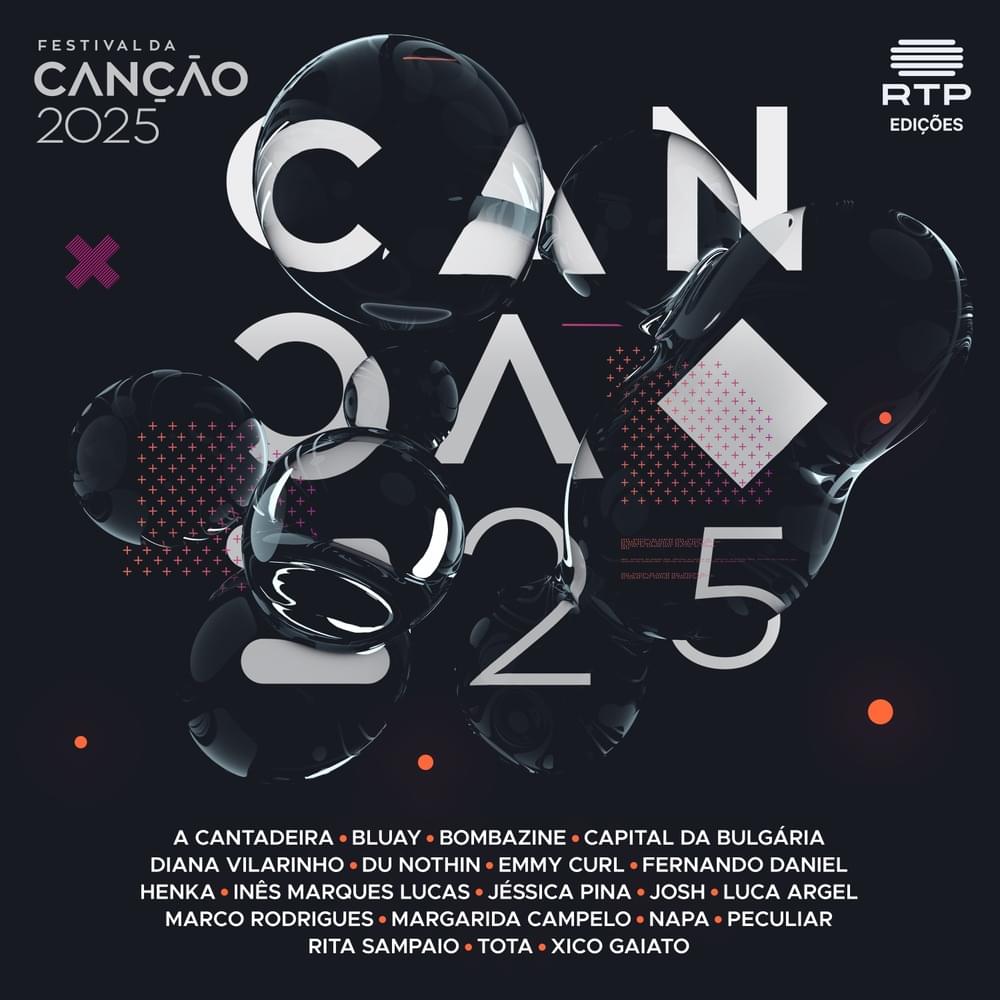
 View Artist