Song Meaning
This song paints a picture of longing for a past love, anchored by vivid, almost dreamlike imagery. The narrator sends a greeting to their old homeland, immediately tinged with regret: "Hej, proklet nek je dan" (Hey, cursed be the day). The scene is set by a lake, described as "Jezero u plavoj suzi dušu miluje" (A lake in a blue tear caresses the soul), suggesting a profound sadness and a place tied to a sacred promise. This sets a tone of bittersweet remembrance, where beauty and sorrow are intertwined.
The central tension lies in the narrator's persistent idealization of the beloved and the past. The repeated address, "Hej, plavooka, hej, bosonoga" (Hey, blue-eyed, hey, barefoot), evokes a specific, almost innocent image. The narrator wonders what this figure "sada sanjaš ti?" (what are you dreaming now?), highlighting the distance and the unknown present of the loved one. The world is framed as a "most je ljubavi" (bridge of love) stretching from the beloved to the narrator's "starog kraja mog" (my old homeland), emphasizing a connection that transcends physical space and time, yet remains unfulfilled.
The lyrics masterfully blend the sacred and the earthly, creating a complex portrait of the beloved. She is called "djevojke u bijelom" (girl in white) and later "djevo čista, ti, ženo svijeta" (pure maiden, you, woman of the world), suggesting a transition or a multifaceted perception of her. The name itself "Ime tvoje ljubav znači" (Your name means love) elevates her to an almost divine status. This duality between the pure, innocent image and the 'woman of the world' adds depth to the narrator's enduring affection, portraying her as both an unattainable ideal and a deeply significant presence.
Ultimately, the song resonates because it captures the ache of memory and the enduring power of a singular love. The specific, evocative details – the blue-eyed, barefoot girl, the weeping lake, the music of the kaval – ground the abstract feelings of longing and destiny. The narrator clings to the idea of this person as "moja istino" (my truth) and "moja sudbino" (my destiny), suggesting that even in absence, this love defines their reality and future, making the past an ever-present force.
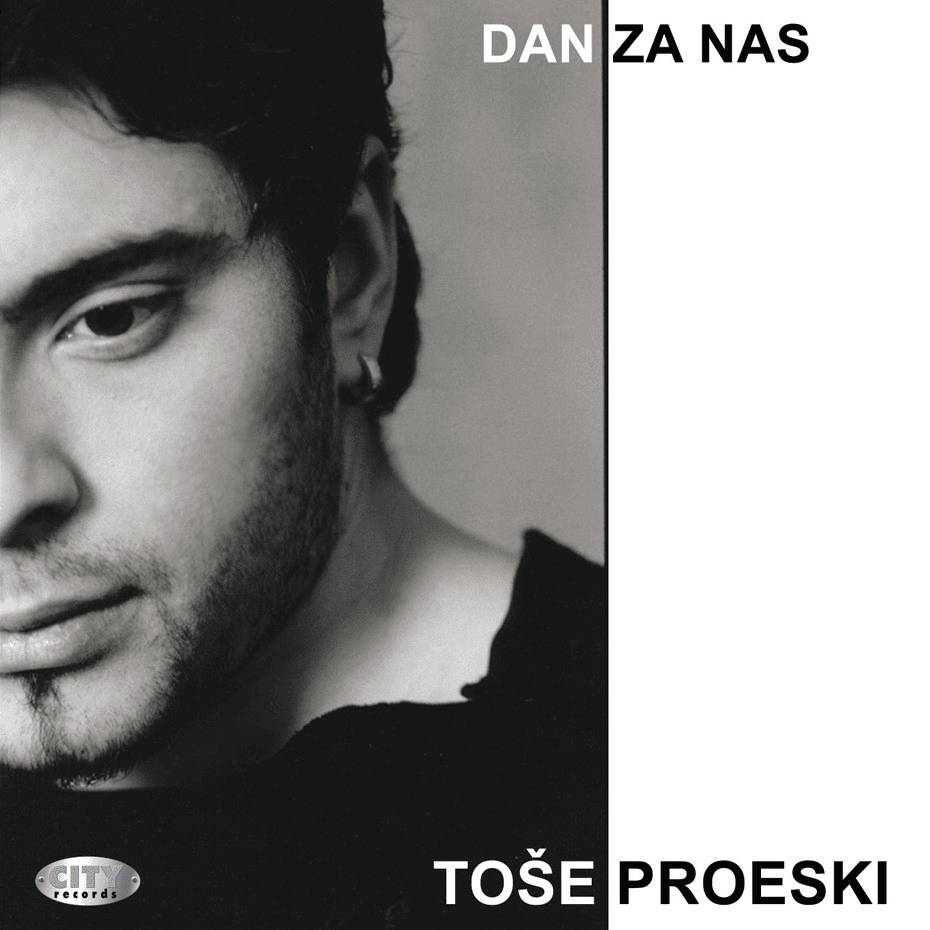
 View Artist