Song Meaning
Toro y Moi's "Magazine," featuring Salami Rose Joe Louis, isn't just a catchy tune; it's a tightly coiled anxiety attack dressed in chillwave aesthetics. The song's meaning orbits around themes of disillusionment with modern society, environmental degradation, and the crushing weight of existential dread. Toro y Moi sets the stage with stark imagery: "factories overseas," felled trees, and the mass production of "Model T's." This paints a picture of relentless industrial progress at the expense of the natural world, a sentiment echoed later in the verse with "Rosemary bushes still grow everywhere / Cut and burn it all so we can say a prayer." The prayer, one imagines, is less about redemption and more about a desperate attempt to find meaning in a world rapidly being consumed. It's a world where even nature's resilience is met with destruction.
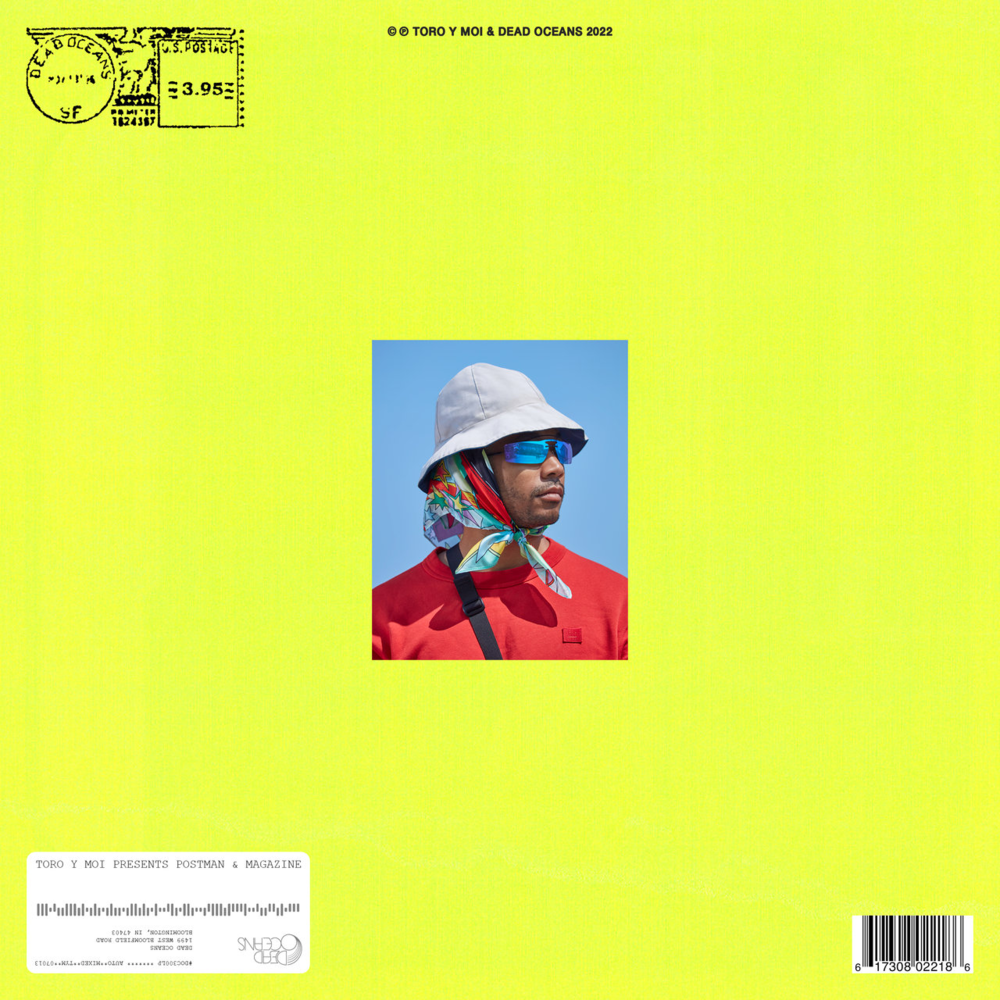
The refrain, "This man in the magazine / It's just us we wanna see," is particularly biting. It speaks to the vapidity of consumer culture and the impossible standards of beauty and success perpetuated by media. The "man in the magazine" isn't an individual; he's a carefully constructed image, a reflection of our own desires and insecurities. We crave to see ourselves in that idealized form, further fueling the cycle of dissatisfaction. This yearning for an unattainable ideal is a potent driver of anxiety and unhappiness, which bleeds into the chorus.
Salami Rose Joe Louis' vocals add another layer of depth. Her lyrics, "I don't know how to get up out of bed / The thoughts of what you said are in my head," capture the paralysis that can come with overwhelming anxiety. The feeling of wanting to escape from everyone, coupled with the image of shattering "all the daylight in the sun," suggests a profound sense of hopelessness and a desire to withdraw from the world entirely. The song's genius lies in its ability to juxtapose these heavy themes with Toro y Moi's signature breezy sound, creating a disquieting tension that lingers long after the music stops. “Magazine’s” lyrics analysis reveals a portrait of a generation grappling with the consequences of unchecked progress and the psychological toll of living in a hyper-mediated world, all packaged in an undeniably infectious sonic landscape.