Song Meaning
Tori Amos's "Song for Eric" operates in the liminal space between waking and dreaming, conjuring a deeply personal and perhaps idealized vision of longing and connection. The "sailor" figure, awaited with patient anticipation, suggests a lover who is both present and perpetually absent, a figure perhaps more imagined than real. The lyrics evoke a sense of yearning, a desire for a connection that transcends the mundane. References to "hill and dale" and riding on the wind paint a picture of a romance that is both epic and ethereal, suggesting a love that is not bound by conventional limitations. This romanticized longing might reflect a yearning for emotional fulfillment or a struggle to reconcile fantasy with reality within relationships. The nightingale comparison speaks to a deep understanding between the singer and her 'sailor,' implying a soul-deep connection that acknowledges the other's essence. The plea, "Will you hold me for just a fair time?" introduces a note of vulnerability and a transient quality to the relationship, hinting at the fleeting nature of such profound moments.
The recurring motif of the "fair" – fair maiden, fair time, fair night, fair boy – underscores the song's fairy-tale quality. This repeated emphasis suggests that the singer is perhaps constructing a romanticized narrative, filtering her experiences through a lens of idealized beauty and longing. The "tune is playing in the fair night" implies a soundtrack to this dreamlike encounter, further blurring the lines between reality and fantasy. The dream state is explicitly acknowledged with the line "I see you in my dreams / Fair boy, your eyes haunt me," revealing the extent to which this figure occupies the singer's subconscious. The haunting quality of the "fair boy's" eyes implies an unresolved emotional resonance, a lingering presence that continues to affect the singer's waking life.
Ultimately, "Song for Eric" reads as an exploration of the power of idealized love and its impact on the individual psyche. It's not simply a romantic ode, but a portrait of how deeply-held longings and expectations shape our perceptions of relationships. The cyclical nature of waiting, dreaming, and yearning suggests an ongoing internal process, a constant negotiation between the desired and the actual. The song's beauty lies in its ambiguity, allowing listeners to project their own experiences of longing and romantic idealism onto the narrative, making it a resonant exploration of the complexities of human connection.
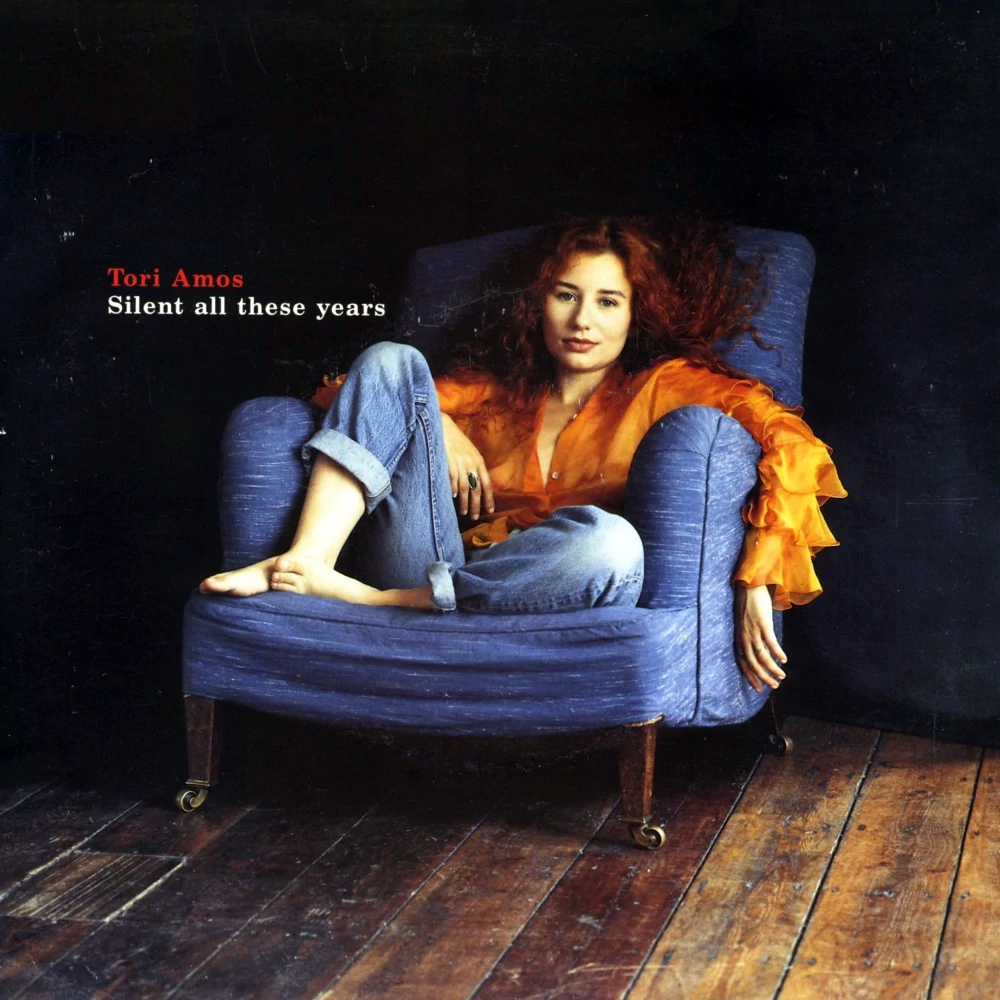
 View Artist