Song Meaning
Tori Amos's "Precious Things" is a Molotov cocktail hurled at the altar of adolescent trauma and societal expectations. It's a raw, unflinching examination of the ways young women are shaped, wounded, and ultimately, fight back. The song meaning resides in this push-pull between internalized oppression and the burgeoning desire for self-assertion. Amos doesn't shy away from the uncomfortable realities of navigating a world that devalues female agency. The opening lines, "So I ran faster, but it caught me here," immediately establish a sense of pursuit and capture, hinting at the inevitability of confronting past hurts. This sets the stage for a lyrical reckoning with experiences of objectification and the insidious ways in which male validation, however twisted, can be internalized. The line, "You're really an ugly girl, but I like the way you play," encapsulates this toxic dynamic, highlighting the singer's desperate need for approval, even when delivered with cruelty. This memory underscores the singer's subsequent rage towards "those beautiful boys, those Christian boys," channeling frustration into a primal scream against the power structures that enable such behavior.
At the core of "Precious Things" lies the chorus, a mantra of release and defiance. The repeated plea to "let them bleed, let them wash away" signifies a conscious effort to dismantle the emotional baggage that has accumulated over time. These "precious things" are not objects of affection, but rather, the scars and insecurities that have been allowed to define her. The bridge offers a glimpse into the formative experiences that shaped this struggle. The "peach party dress" represents a naive innocence lost, a moment of realization that the world is not as welcoming as it seems. The mention of "nine-inch nails and little fascist panties tucked inside the heart of every nice girl" is particularly striking. The Nine Inch Nails reference points to the industrial rock of the era, while the line about 'fascist panties' is a loaded observation about the hidden conformity and competitive edge that can fester beneath a veneer of niceness. It's a recognition that even within the realm of female relationships, societal pressures can create a breeding ground for internalized misogyny.
Ultimately, the song meaning of "Precious Things" isn't just about pain; it's about the arduous process of reclaiming one's self. It's about recognizing the insidious ways in which societal expectations and past traumas can shape a person's identity and then actively choosing to dismantle those constructs. It's a messy, imperfect, and intensely personal journey, but one that ultimately leads to a sense of liberation. The repetition of the chorus underscores the ongoing nature of this process, a constant shedding of old skins to reveal a stronger, more authentic self. Tori Amos isn't offering easy answers or a neat resolution. Instead, she's providing a visceral and unflinching portrait of a woman grappling with her past, finding her voice, and daring to break free.
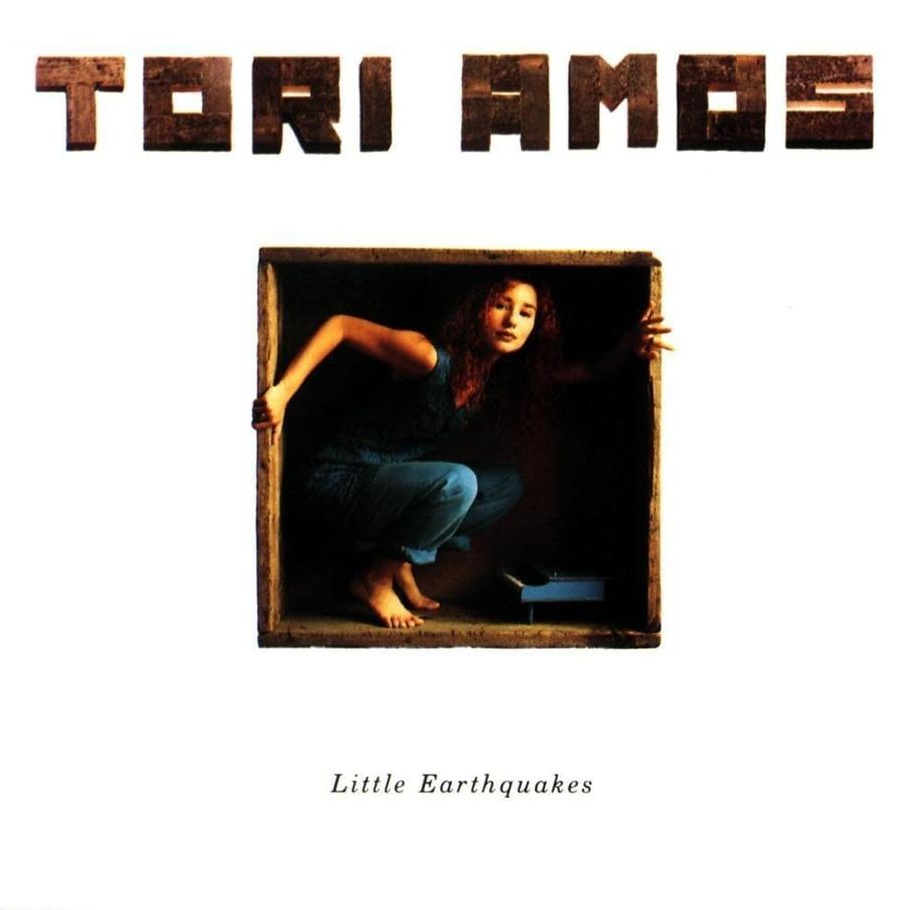
 View Artist