Song Meaning
Tori Amos's "Holly" is not just a song; it's a ritual, a sonic balm for grief wrapped in pagan symbolism. The very act of listening feels like participating in an ancient rite. The lyrics are deceptively simple, yet they resonate with a profound understanding of loss and the cyclical nature of life. Amos doesn't shy away from the pain of separation, but she frames it within a context of enduring connection. The "sweet lady" addressed throughout the song is clearly in mourning, guided by "Thought" and "Memory" – twin aspects of the grieving process. These birds, walking knowingly beside her, suggest a journey of acceptance rather than a plunge into despair. The repetition of "this is not goodbye" is not mere platitude; it's a mantra, a whispered promise of reunion.
The song meaning deepens with its invocation of the Oak and Holly Kings, figures from Celtic mythology representing the opposing forces of light and darkness, summer and winter. Lighting "two candles" becomes an act of honoring both the past and the future, acknowledging the inevitability of change while finding solace in the continuity of the "wheel of the year." The "evergreen" imagery is crucial here, signifying eternal life and the persistence of spirit even in the face of death. It's a subtle but powerful assertion that love transcends physical presence. The chorus, with its repeated command to "wreath the holly," functions as a call to action. Holly, traditionally associated with protection and immortality, becomes a symbol of hope and resilience.
Ultimately, "Holly" is a song about finding comfort in the face of loss. It's about understanding death not as an ending, but as a transition within a larger, eternal cycle. The repeated reassurance that the "sweet lady" will "see him again," and "be together again," offers a sense of peace that is both profound and deeply personal. Amos, as the "lady of the land," acts as a guide, leading the listener through the darkness and towards a glimmer of light. The song's power lies in its ability to transform personal grief into a universal experience, reminding us that we are all connected to the rhythms of nature and the enduring power of love.
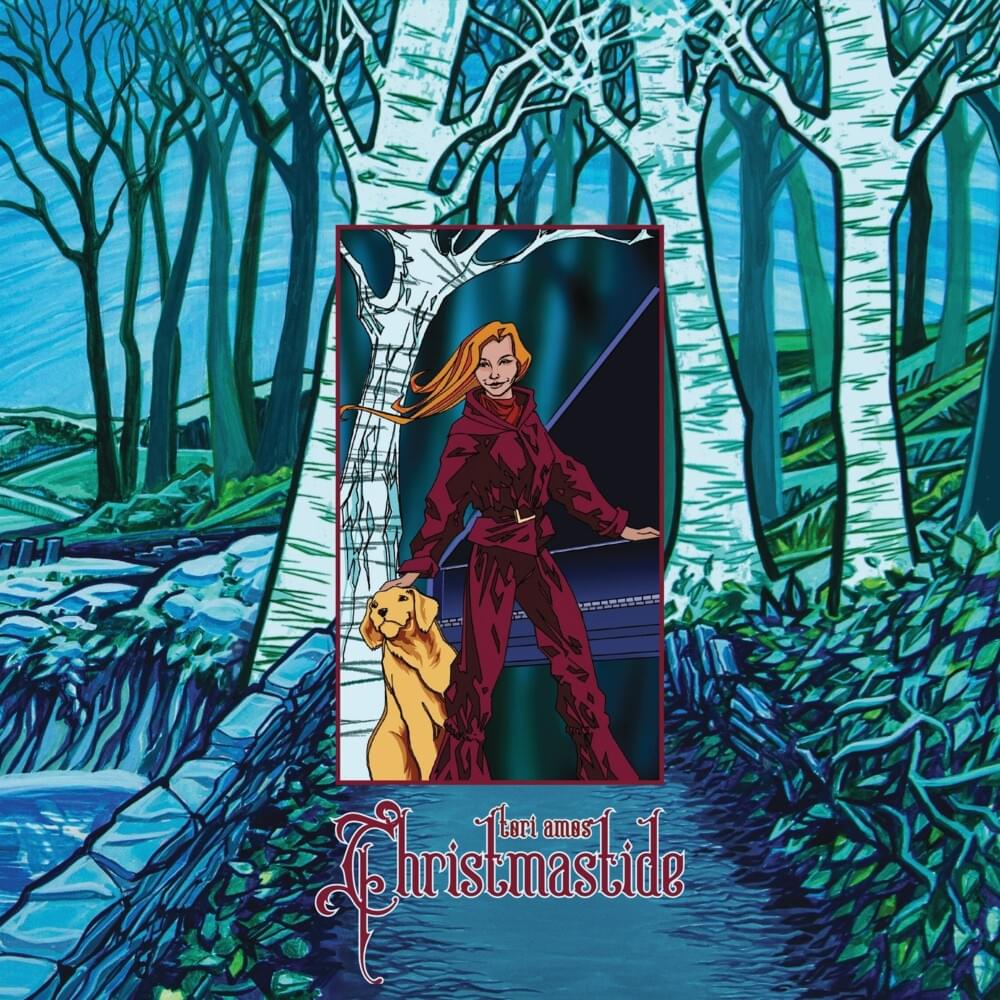
 View Artist