Song Meaning
Tori Amos's "Harps of Gold" isn't just a song; it's an emotional instruction manual disguised as a hymn. On the surface, the repeated "Gloria in Excelsis Deo" chorus gives the impression of straightforward praise. But peel back the layers, and you find Amos exploring the complex relationship between suffering, performance, and the illusion of joy. The opening lines, "I'll show you how it's done / You'll smile through the pain," are less about genuine happiness and more about the learned behavior of masking discomfort. This sets the stage for a deeper exploration of how individuals, particularly those marginalized ("Out in the street / No, they don't have much"), learn to project an image of triumph even in the face of adversity. The 'harps of gold' become symbolic of resilience; a beautiful sound created even when resources are scarce. They are playing on their harps of gold and showing us how to praise even with nothing.
The song meaning expands further when considering the echoing mountains. This 'echo' effect introduces a sense of vastness and perhaps, the idea that these performed displays of joy aren't isolated incidents. The mountains, ancient and unwavering, represent the enduring nature of this human behavior. It suggests that this performance is deeply ingrained in the human psyche and across cultures. The repetition of "Gloria" starts to feel less like worship and more like a mantra; a tool used to cope, to survive, and to project strength.
Ultimately, "Harps of Gold" is a commentary on the human condition. It questions the authenticity of outward expressions of joy when they are juxtaposed with underlying pain. Tori Amos uses religious language and imagery to explore the ways in which individuals learn to perform happiness, often as a means of survival or social acceptance. The song invites listeners to consider the emotional labor involved in maintaining such facades and the potential cost of silencing one's true feelings. It is an invitation to think about the spaces between what we show, and what we hide.
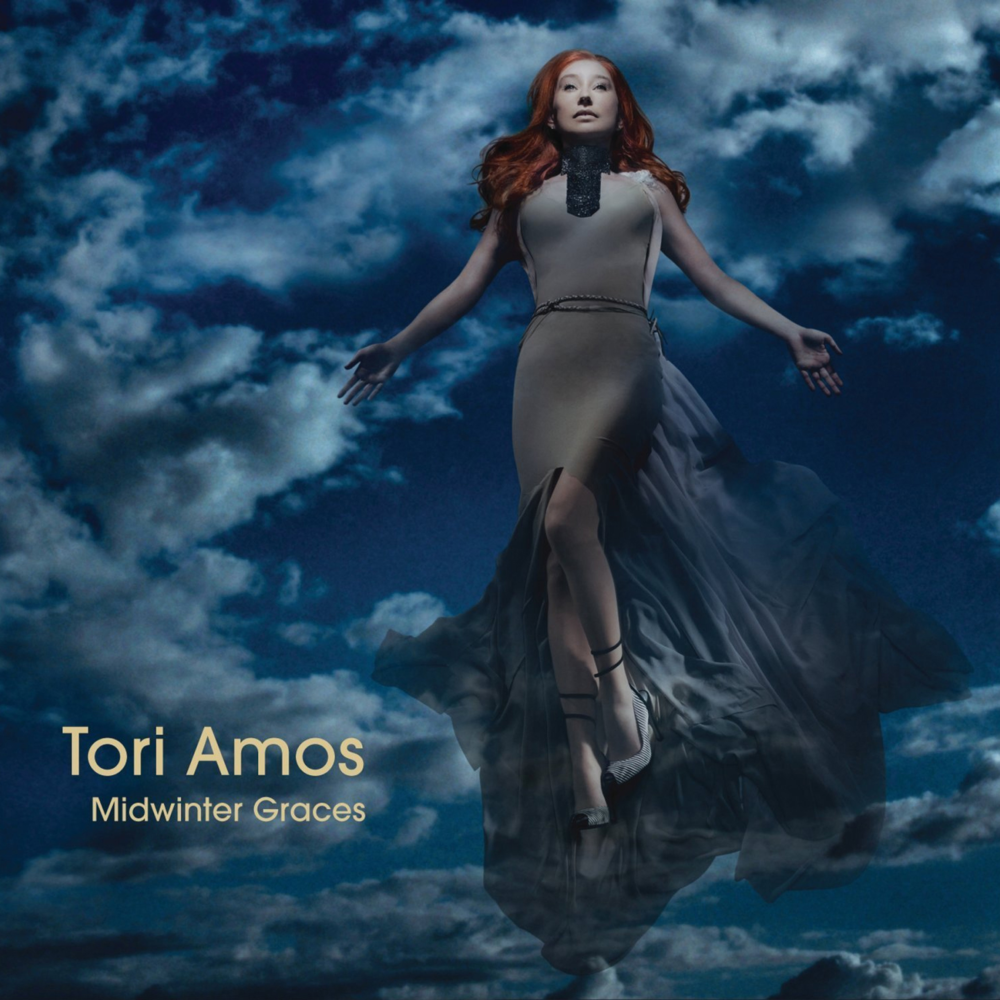
 View Artist