Song Meaning
The lyrics paint a stark picture of a desperate plea for healing that spirals into an existential crisis. The narrator, fixated on "twenty-three peaks," seems to be grappling with a profound internal struggle, questioning whether a past attempt at recovery led to destruction rather than solace. This uncertainty fuels a direct, almost raw, appeal for relief: "Could you take this burden from me?" The imagery of "blades / Shooting through my back" powerfully conveys a sense of betrayal and agonizing pain, suggesting an external force or internal conflict that is literally "killing me."
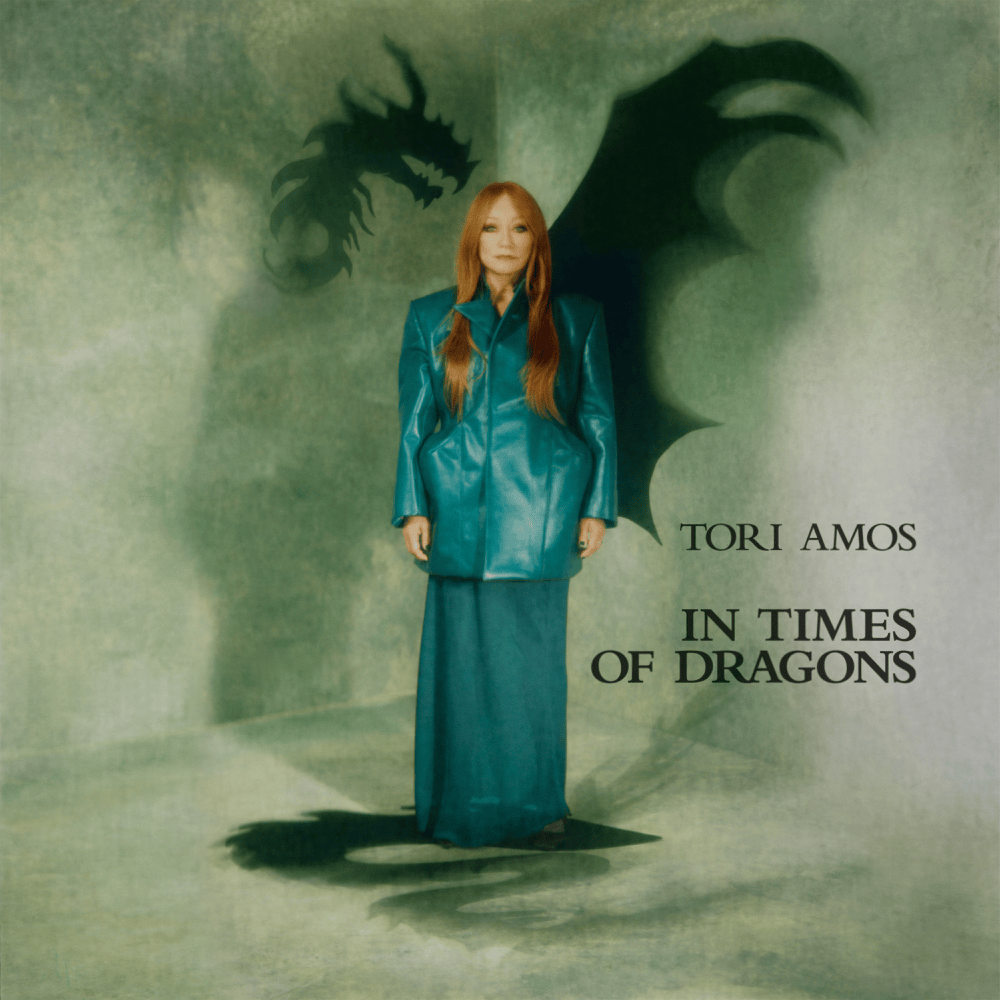
The central tension lies in the narrator's desire to revert to a former self, a "woman I want to be," versus the terrifying transformation into a "half-dragon, half-woman thing." This isn't a simple metaphor for change; it's a visceral depiction of a loss of identity, a monstrous becoming that the narrator desperately wants to undo. The plea for help is directed towards mythical "dragon queens," entities that represent a potent, perhaps dangerous, form of power or ancient wisdom.
The most striking aspect is the chilling response from the dragons themselves. Their initial affirmation, "Yes, we can," offers a flicker of hope, but it quickly devolves into a brutal truth. The promise of healing is revealed as a cruel illusion; the "blades" will always return, and the only path forward is painful acceptance. The repeated phrase "They'll grow back every time" underscores the inescapable nature of this suffering, a cyclical torment that the narrator cannot escape.
Ultimately, these lyrics resonate because they articulate a profound fear of irreversible change and the crushing weight of suffering that feels inescapable. The narrator's initial hope for a simple cure is shattered by the harsh reality of a transformation that offers no true escape, only a grim destiny. The final pronouncements, "You'll become / A dragon queen," are not a triumphant declaration but a somber, terrifying prophecy, leaving the listener with a sense of dread and the unsettling acknowledgment of a fate that cannot be altered.
 View Artist