Song Meaning
The lyrics present a stark, almost instructional meditation on confronting death, not as an end, but as a state to be actively entered. The opening lines command a ritualistic "dying" deep within oneself, suggesting a mental or spiritual detachment from the physical form. This isn't about passive waiting; it's an active performance, a deliberate retreat of body and mind into a pre-existing state of being "already there."
The central tension lies in the imperative to "Consider it already over" and "You must be dead by now," juxtaposed with the idea of an "enemy silently waiting." This creates a disquieting paradox: if one is already dead, who or what is this waiting adversary? The repeated command to "So die already" suggests a struggle against a lingering attachment to life, a final push to overcome the "disheartening mind" to achieve a state of absolute freedom where "no one can stand before you."
The most striking element is the graphic, almost gratuitous catalog of violent deaths that follows. Arrows, bullets, knives, spears, fire, lightning, earthquakes, and a fatal fall are detailed with visceral intensity. This isn't a gentle passing; it's a brutal, multi-faceted annihilation of the physical self, described as torments that "begin" after the initial mental detachment. The sheer volume and variety of these violent ends serve to strip away any romantic notions of dying, presenting it as a complete and utter obliteration of the physical.
This relentless imagery of physical destruction, following the initial spiritual or mental retreat, is what makes these lyrics so potent. They force the listener to confront the visceral reality of bodily demise, not as a distant concept, but as an immediate, violent experience. The contrast between the calm, internal ritual of the beginning and the external, chaotic violence of the torments creates a powerful, unsettling effect, suggesting that true liberation might only come after the most extreme form of self-annihilation.
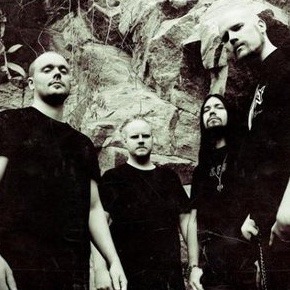
 View Artist