Song Meaning
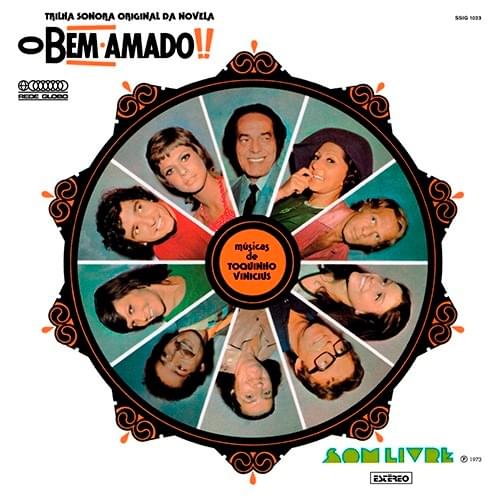
The lyrics paint a stark picture of duality and a character driven by a thirst for vengeance over reason. Contrasts like "night in day," "life in death," and "laughter in tears" establish a world where opposing forces constantly collide. This "beloved" figure, as the title suggests, seems to prioritize "vengeance" and "power" above all else, finding them more meaningful than "forgiveness" or "reason."
The narrative then shifts to a more universal reflection on the human condition, where the "morning sun" promises healing and hope, but the "night wind" inevitably reminds us of death's constant presence. This cyclical tension between aspiration and the inescapable reality of mortality creates a poignant emotional landscape. The lyrics suggest that even when the day offers a potential "remedy for our wound," the darkness is always lurking, "waiting in any corner of this life."
The song's power lies in its stark, almost fatalistic imagery and the relentless presentation of paradoxes. Phrases like "body without soul" and the repeated motif of "night in day, life in death, heaven on the ground" underscore a profound sense of unease and unresolved conflict. The narrator appears to be grappling with a worldview where such extreme oppositions are not just present but defining, particularly in the character who values "vengeance" so highly.
Ultimately, the lyrics resonate by capturing a deep-seated human experience: the constant negotiation between hope and despair, life and its inevitable end. The stark contrasts and the figure who chooses power over reason highlight a complex emotional truth about human motivation and the often-unsettling nature of existence. The writing effectively uses these opposing forces to create a powerful, almost unsettling, emotional texture.