Song Meaning
The lyrics paint a picture of a lonely night, personified by "Noche de Ronda" (Night of Rounds/Patrol). The narrator experiences this night as a source of deep sadness, feeling wounded and pained in their heart as it passes by their balcony. The dominant tone is one of melancholic longing and heartbreak, amplified by the solitude.
The central tension arises from the narrator's profound sense of abandonment and their desperate plea to the moon. They question where the moon is going, asking if it's also out "on the rounds" like the person who left them. This comparison suggests a shared experience of wandering or perhaps a search for solace, but it primarily highlights the narrator's isolation and the absence of their beloved.
The imagery of the "Luna que se quiebra" (Moon that breaks) over the "tiniebla de mi soledad" (darkness of my solitude) is particularly striking. This broken moon visually represents the narrator's fractured emotional state and the overwhelming darkness of their loneliness. The direct address to the moon, asking "A dónde vas?" and "Con quién estás?", imbues the celestial body with a sense of agency, as if it holds answers or is a companion in this desolate experience.
The narrator's plea, "Dile que la quiero / Dile que me muero / De tanto esperar / Que vuelve ya" (Tell her I love her / Tell her I'm dying / Of waiting so long / For her to return), reveals the core of their suffering. The repeated "Dile" (Tell her) emphasizes their inability to communicate directly, trapped by absence. The final lines, warning that "las rondas no son buenas / Que hacen daño, que dan penas / Y que acaban por llorar" (rounds are not good / They cause harm, they bring sorrow / And they end in tears), serve as a bitter reflection on the destructive nature of this waiting and the perceived recklessness of the departed.
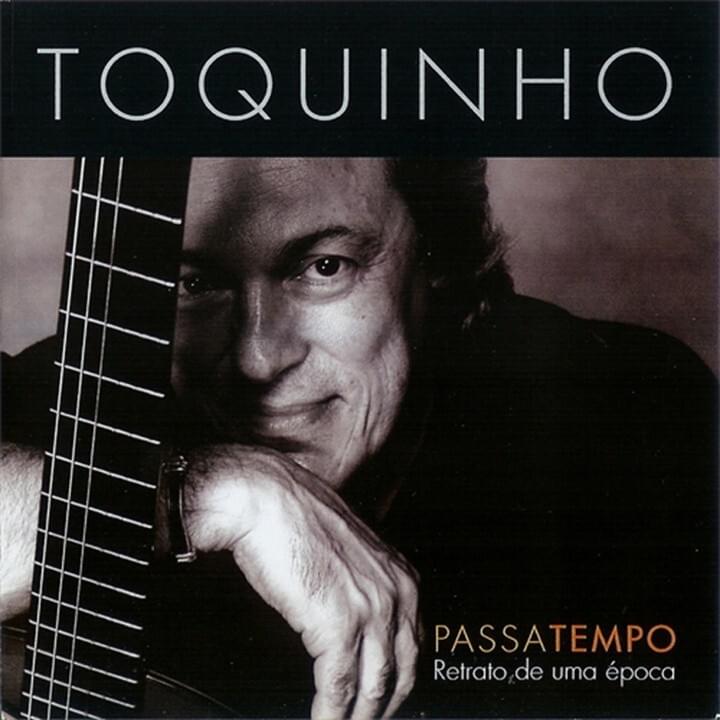
 View Artist