Song Meaning
The lyrics for "Nada a Fazer" open with a striking sense of resignation, "Nada a fazer" (Nothing to do), immediately paired with an urgent desire to express love. The speaker feels powerless against the relentless flow of time, stating, "Não posso conter o tempo." Yet, this helplessness quickly pivots to a deep need to release a "grito de amor no vento." This sets up a compelling tension between fate and heartfelt action.
The core emotional tension here lies in the contrast between the inability to control the future and the imperative to live fully in the present. The lines "Só do começo das coisas sabemos" and "do fim ninguém sabe" frame existence as a series of unfolding beginnings. This uncertainty isn't paralyzing; instead, it fuels a vibrant call to action, emphasizing that "é preciso viver" and embrace the moment, especially to love "sorrindo."
The most interesting craft element is how the phrase "Nada a fazer" transforms throughout the song. Initially, it suggests a profound helplessness, a surrender to the uncontrollable. However, by the chorus, it evolves into a profound clarity: with nothing else to do, no way to stop time or know the end, the only essential action, the only thing left, is to declare love. This recontextualizes powerlessness into a singular, focused purpose: "só posso dizer Te amo."
These lyrics resonate because they acknowledge life's inherent limits while championing an active, joyful response. The simple, repeated declaration "Te amo" becomes incredibly potent, not as a casual phrase, but as the ultimate, necessary act when faced with the uncontrollable flow of time. It's a powerful affirmation of love as the most meaningful human endeavor, a profound choice made in the face of what cannot be changed.
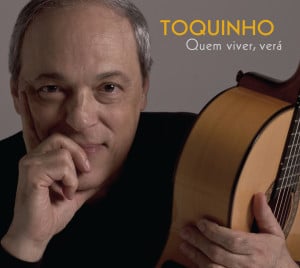
 View Artist