Song Meaning
The narrator is stuck in a loop of sorrow and exhaustion, literally leaning on a gate, waiting for someone who never arrives. The repeated "chorei" (I cried) and "cansei" (I got tired) establish a profound sense of weariness and ongoing despair. This isn't a fleeting sadness; it's a sustained state of being, marked by the physical act of leaning on the "cancela" (gate), a barrier that offers no passage or relief.
The central tension lies in the contrast between the narrator's desperate waiting and the absence of the awaited person or event. The lyrics explicitly state, "esperando por ela" (waiting for her) and "quando não vem trem" (when the train doesn't come), highlighting a futile anticipation. This waiting is so ingrained that the gate becomes the only place to cry, a bleak comfort found in stagnation.
The most striking element is the ironic redefinition of the "cancela." Initially a symbol of being stuck, it's then presented as the "best place to cry" when the train is absent. This bleak humor is amplified by the final line, "Do que o colo de quem se quer bem" (than the lap of someone you love). The lyrics suggest that even the comfort of a loved one can't compare to this specific, desolate spot, implying a deep-seated resignation or perhaps a perverse attachment to this place of sorrow.
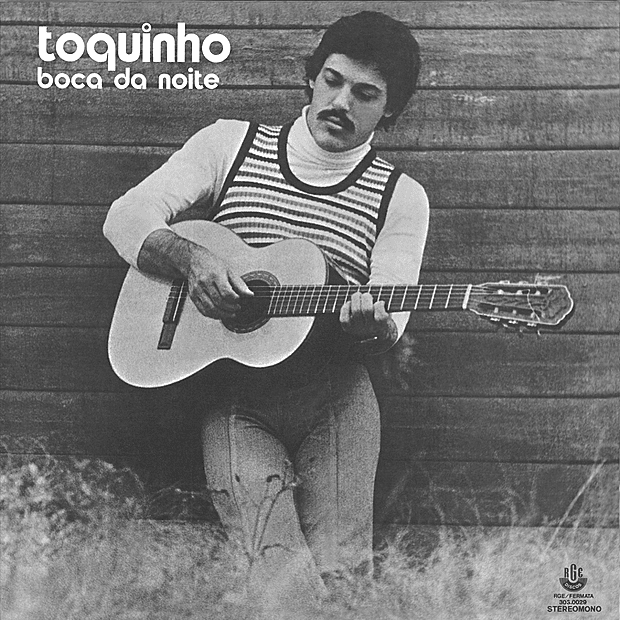
 View Artist