Song Meaning
This song paints a picture of absolute, almost fated, devotion. The narrator asserts a profound connection, stating, "Eu sei e você sabe, já que a vida quis assim / Que nada nesse mundo levará você de mim." It’s a declaration that their bond transcends physical separation, with the lyrics suggesting, "Que a distância não existe." This isn't just about presence, but a belief that their destinies are intertwined.
The central tension arises from the narrator's embrace of suffering as a prerequisite for profound love. They argue, "Que todo grande amor / Só é bem grande se for triste," directly challenging the common desire for effortless happiness in relationships. This perspective frames hardship not as an obstacle, but as a necessary component that validates the depth of their feelings, urging their beloved, "Não tenha medo de sofrer."
The lyrics employ a series of powerful similes to underscore this point. Natural phenomena are presented as incomplete without a specific, often melancholic, element: the ocean needs moonlight, a song needs to be sung, a cloud needs rain, and a poet finds greatness in suffering. These parallels build to the ultimate conclusion: "Assim como viver / Sem ter amor não é viver," reinforcing the idea that their existence is intrinsically tied to this passionate, albeit potentially sorrowful, connection.
Ultimately, the song's emotional impact stems from its unwavering commitment to a singular, all-encompassing love. The repeated assertion, "Não há você sem mim / E eu não existo sem você," creates a powerful sense of mutual dependency. It suggests that their individual identities are not just enhanced by their relationship, but are fundamentally constituted by it, making their bond the very essence of their being.
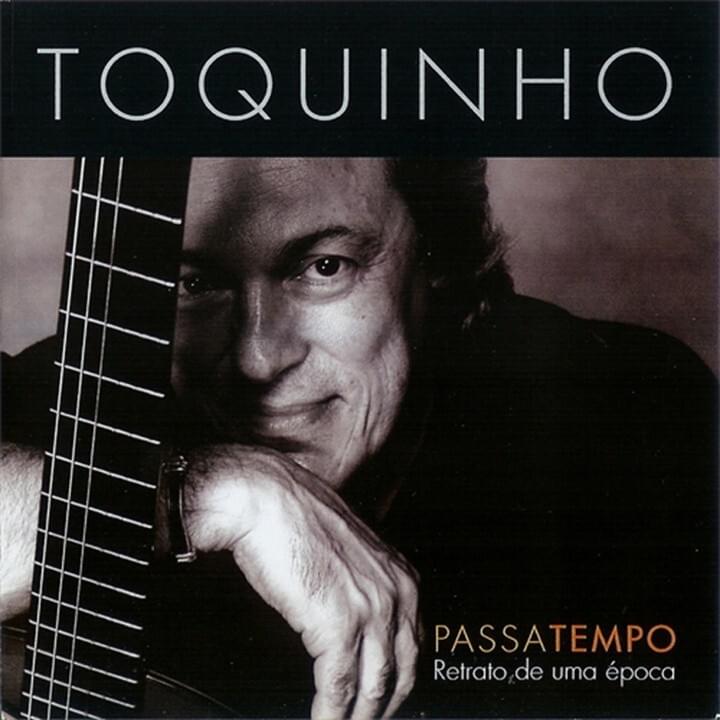
 View Artist