Song Meaning
This track flips the script on what society deems as failure, arguing that imperfection is not only normal but essential for growth. It directly confronts the idea that not excelling in conventional metrics like school, sports, or even basic skills like riding a bike without help is a source of shame. The lyrics repeatedly state, "Não, não é vergonha, não" (No, it's not shame, no), creating a reassuring mantra against external judgment.
The core tension lies in the contrast between societal expectations of perfection and the reality of human fallibility. The narrator lists various perceived shortcomings – not knowing multiplication tables, needing help with homework, being the "gordinho" (chubby one) or "baixinho" (shorty) – and dismisses them as non-issues. This gentle dismantling of shame suggests a deeper understanding that true worth isn't tied to these superficial markers.
The most striking aspect is the embrace of the learning process itself, particularly the phrase "Errando, errando, errando" (Making mistakes, making mistakes, making mistakes). The lyrics posit that life itself is the teacher, and the repeated act of error is how we eventually "saber" (know) what's right. This cyclical view of learning, where mistakes are not endpoints but necessary steps, is a powerful reframing of failure.
Ultimately, the effectiveness of these lyrics comes from their direct, non-judgmental tone and their focus on universal human experiences. By validating the struggles and perceived flaws of the listener, the song offers a comforting perspective that celebrates the messy, imperfect, and ongoing process of becoming. It's a quiet rebellion against the pressure to be flawless, reminding us that "Não existe a perfeição" (Perfection doesn't exist).
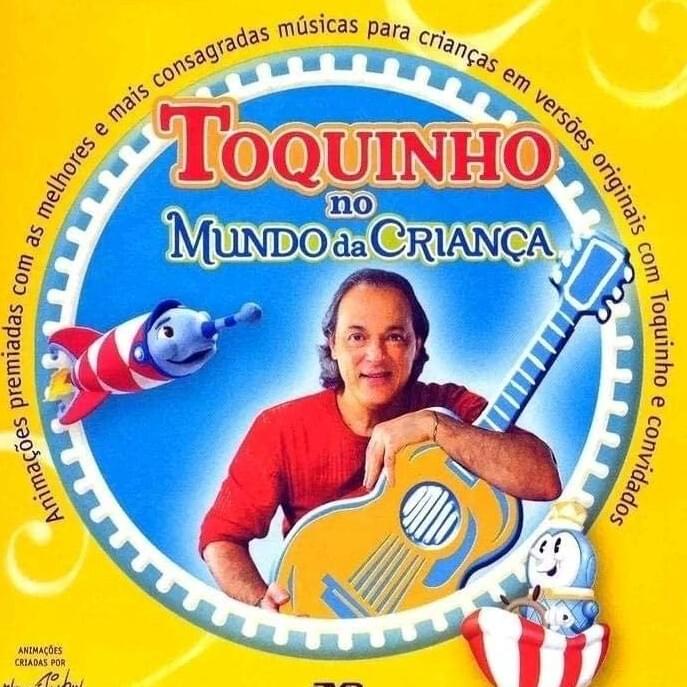
 View Artist