Song Meaning
The lyrics paint a stark picture of a relationship's painful dissolution, framed by a specific, now-discarded photograph. The narrator demands the "picture of you" be taken down, immediately signaling a definitive end. The phrase "For many reasons which we know now" suggests a shared, unspoken understanding of the relationship's fundamental flaws, a clarity that has only recently arrived. The image of the person "Leaning on your hands / Looking that way" becomes a symbol of a past moment, now reinterpreted as a "shakedown," a betrayal or manipulation that is "So clear to me now." This retrospective clarity is tinged with the lingering "echo" of "the final days," a period haunted by the realization that the partner was emotionally absent, "thinking about somebody else."
The core tension lies in the narrator's desperate questioning of the past and the partner's present state, juxtaposed with a profound sense of helplessness. "Are you still awake?" is repeated, not just as a literal query, but as a metaphor for awareness and presence. The parenthetical asides, "Scenes get in the way" and "Weighing what you wanna say," reveal the internal struggles and external obstacles that prevented genuine communication or connection. The narrator probes whether the partner ever truly saw them, asking "Did you ever look down / At my sleeping face?" This plea highlights a deep-seated feeling of being unseen and unacknowledged, even in intimacy, and the agonizing question, "Is there really no other way?" underscores the perceived inevitability of this painful outcome.
The writing masterfully employs imagery of stillness and motion to convey emotional states. The static "picture" contrasts with the "curtain dancing by the wind," a fragile, ephemeral image that seems to represent the narrator's own wavering resolve or the fleeting nature of their hope. The repeated question "Are you awake?" acts as a refrain, emphasizing the narrator's persistent, almost obsessive need for acknowledgment from someone who appears emotionally dormant. The final lines, "Still, no one sees / The person they're sitting across / I'm at a loss," encapsulate the ultimate tragedy: the profound isolation experienced even when physically present with another, leaving the narrator "at a loss" for understanding or resolution.
This piece resonates because it captures the quiet devastation of realizing a relationship was built on a fundamental disconnect. The narrator isn't just mourning a breakup; they're grappling with the phantom presence of someone who was never truly there, a realization that makes the act of removing a photograph feel like a necessary, albeit painful, step toward reclaiming their own reality. The lyrics effectively convey the feeling of being utterly alone in a shared space, a silent scream against the backdrop of indifference.
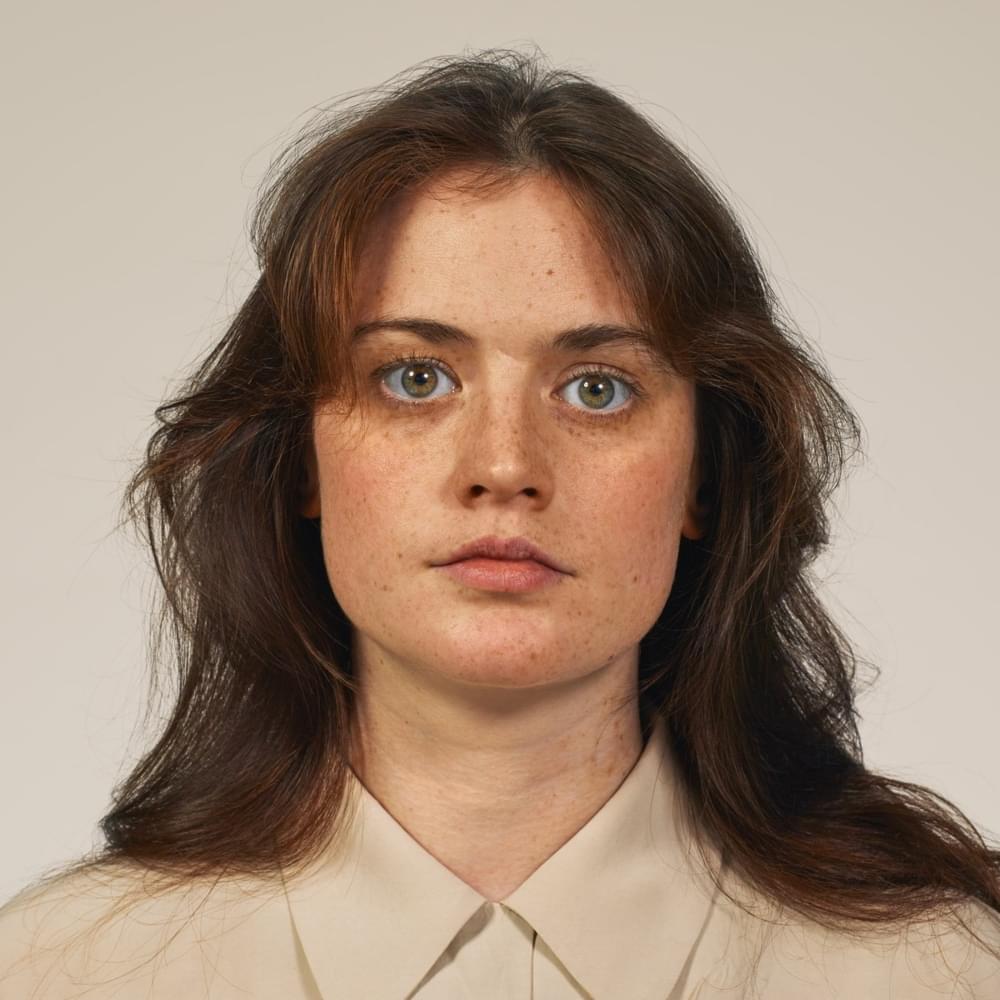
 View Artist