Song Meaning
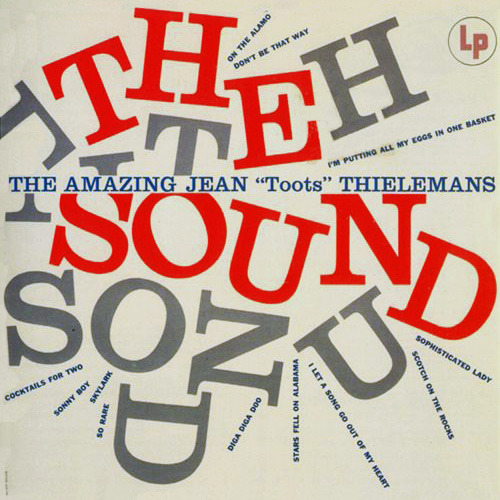
Toots Thielemans's instrumental version of "Skylark" speaks volumes even without the original Johnny Mercer lyrics. The yearning isn't just heard in the notes; it's felt in the aching spaces between them. The song is, at its core, a desperate plea disguised as a wistful question. The singer, or rather, the instrumentalist through his harmonica, isn't just asking a bird for directions; he's outsourcing his hope, projecting his longing onto a creature capable of transcending earthly boundaries. The skylark becomes a symbol of unattainable freedom, a messenger to a love that feels impossibly distant. The melody captures the fragile state of someone teetering between hope and resignation. The 'meadow in the mist' and 'valley green with spring' are not just locations, but idealized mental spaces, refuges from the 'shadows and the rain' of a present reality.
The genius of "Skylark", especially in Thielemans's interpretation, lies in its acknowledgement of the absurd. The speaker *knows* the skylark probably can't lead him to his lost love. The lyrics hint at this self-awareness: 'I don't know if you can find these things.' Yet, the act of asking, of entrusting his 'heart...on your wings,' is a crucial act of self-preservation. It's a way of keeping the flame of hope alive, even when logic dictates otherwise. The 'music in the night,' described as 'crazy as a loon, sad as a gypsy serenading the moon,' encapsulates the contradictory emotions at play: a wild, almost manic hope intertwined with profound sorrow.
Ultimately, Toots Thielemans’s rendition of "Skylark" isn't just a song about lost love; it's a meditation on the human need for fantasy and projection in the face of heartbreak. The skylark is a blank canvas onto which the singer paints his desires, a symbol of the possibility that, perhaps, somewhere, the love he seeks still exists. It's a poignant reminder that sometimes, the most meaningful journeys are those we undertake in our minds, guided by the faintest glimmer of hope, even if that hope is as 'faint as a will o' the wisp'.
 View Artist