Song Meaning
The lyrics paint a stark picture of a child desperately trying to mend a fractured family, driven by a profound desire for their parents to reconcile. The opening lines establish a tone of forced compliance: "Op tijd naar bed / Slapen gaan zonder tegenspreken." This isn't the natural order of childhood but a desperate attempt to be the "nette zoon" (neat son) who "zal alles eten" (will eat everything) and refrains from "fikkie stoken" (playing with fire). The child internalizes blame, believing they "dit verdiende" (deserved this) because they "lastig was" (were difficult), a self-recrimination that underscores the emotional weight of the parents' separation. The repeated plea, "Probeer het nog een keer" (Try it one more time), becomes the central, heartbreaking refrain.
The core tension lies in the child's earnest, almost adult-like, promises to change in exchange for the family's reunion. They vow to give up "sterke drank, geen pilsjes meer" (no strong drinks, no beers anymore) and "meisjes op mijn kamer" (girls in my room), behaviors that seem far beyond a child's typical actions, suggesting a projection of adult anxieties or a misunderstanding of the situation. The specific apologies for past transgressions – "dat ik je sloeg" (that I hit you) and the incident where the father fell down the stairs – reveal a history of conflict and perhaps accidental harm, all framed within the child's desperate bid for normalcy. The line "Je kind zal nooit meer zeuren" (Your child will never complain again) is particularly poignant, a promise of complete emotional suppression to achieve the desired outcome.
The most striking aspect of the writing is the child's mature, almost transactional approach to emotional repair, juxtaposed with their fundamental childishness. They offer the return of the "televisie" (television) so they can "kijken we weer samen" (watch together again), a simple act symbolizing a lost connection. The repeated declaration, "Je kind heeft geen tranen meer" (Your child has no more tears), is a powerful image of emotional exhaustion and a plea for a fresh start, directly linked to the promise of "nooit meer zeuren." This deliberate suppression of their own emotional needs – no tears, no complaining – highlights the immense pressure they feel to fix what is broken.
Ultimately, the lyrics resonate because they capture the raw, often unspoken, burden children carry when their parents' relationship falters. The child's earnest, albeit misguided, efforts to be the perfect, compliant being who will magically restore the family unit are deeply moving. The writing doesn't shy away from the pain, presenting a child who has learned to mask their own distress and offer a facade of perfect behavior, all in the hope of recapturing a lost sense of belonging and security.
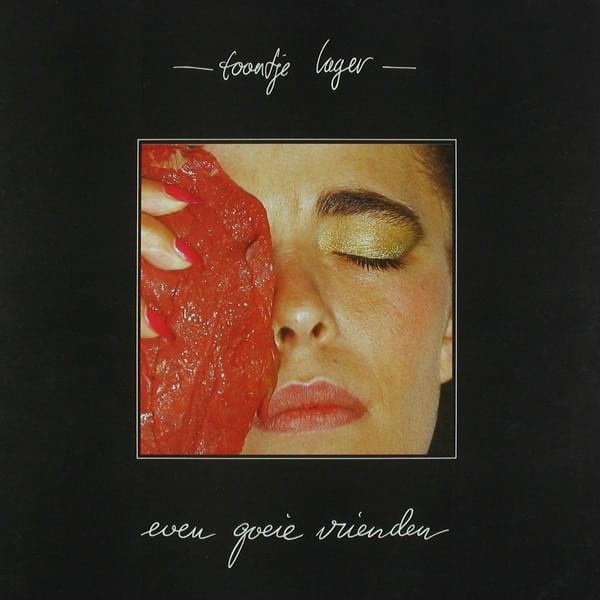
 View Artist