Song Meaning
The lyrics paint a picture of a love that's almost unconditionally devoted, presented as a precious gift. The narrator initially frames love as something beautiful and invaluable, a feeling so profound they wouldn't trade it. This sets up a stark contrast with the subsequent plea, where this very devotion seems to be the source of their pain. The speaker grapples with a partner who actively distances themselves, yet the narrator insists on their unwavering presence, suggesting a deep-seated commitment that transcends typical emotional boundaries.
The central tension arises from the partner's rejection versus the narrator's persistent affection. The lines "Why do you run from my love now" and "You'll never leave me behind" highlight this push-and-pull dynamic. The narrator acknowledges their own potential missteps, like "showed you my cards" or "played a few games," hinting at a self-awareness that their approach might be too transparent or perhaps even naive. This self-doubt is amplified by the idea that the partner might prefer a more challenging or even adversarial dynamic, as suggested by "Maybe you need someone clever / Or someone to call you some names."
The most striking aspect is the repeated declaration, "My love has no pride." This isn't presented as a weakness but as a defining characteristic of their affection. The narrator is willing to be called a fool, pushed aside, or sent away, yet their commitment remains steadfast. This lack of pride allows them to "stay by your side" and "stay in love with you," even when the partner is actively trying to end things or telling friends they are through. It's a powerful statement about a love that prioritizes presence and endurance over self-preservation or dignity.
Ultimately, the effectiveness of these lyrics lies in their raw depiction of a love that defies conventional expectations. The narrator's willingness to forgo pride in favor of unwavering devotion creates a poignant portrait of vulnerability and steadfastness. The simple, direct language, especially in the chorus, makes the narrator's commitment feel both absolute and almost tragically inevitable, leaving the listener to ponder the cost and nature of such selfless affection.
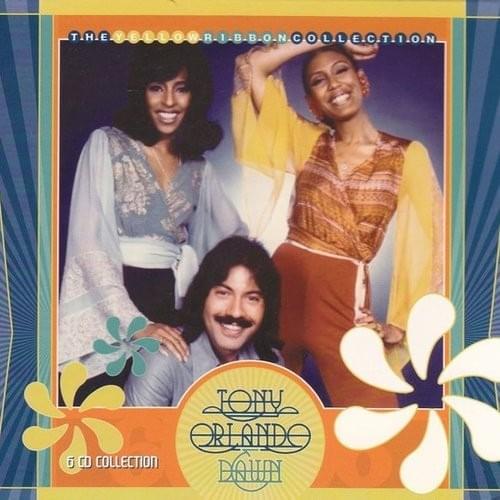
 View Artist