Song Meaning
The narrator feels a growing distance from their partner, a chilling disconnect that has transformed their shared home into an alienating space. This isn't about a sudden fight, but a slow, creeping emotional estrangement. The once-familiar comfort of their relationship has dissolved, leaving behind an unsettling quiet and a sense of being alone together. The lyrics paint a picture of two people cohabiting but no longer truly connecting.
The central tension lies in the narrator's desperate plea for reconnection against the backdrop of their partner's silent withdrawal. The contrast between the "warm breakfast table" of the past and the current solitary ritual of facing the "morning paper" highlights the loss. The narrator is actively seeking dialogue, asking "Tell baby what's new" and "Can't we talk to each other," while the partner remains unresponsive, their presence reduced to mere physical proximity.
The most striking aspect is the recurring, almost desperate refrain: "I can't live in a house of strangers." This metaphor powerfully captures the emotional void. The partner is physically present but emotionally absent, making the shared living space feel like a place inhabited by unfamiliar people. The lyrics also subtly point to a loss of shared identity, questioning "Where's that famous loving smile" and "Where's my funny clown," suggesting the partner's personality has become as elusive as their emotional availability.
This song hits hard because it articulates a common, yet deeply painful, relationship dynamic: the slow fade of intimacy. The narrator's vulnerability and direct appeals for communication, juxtaposed with the implied silence of the partner, create a palpable sense of loneliness and yearning. The effectiveness stems from its grounded portrayal of emotional distance, making the abstract feeling of alienation concrete through everyday domestic imagery.
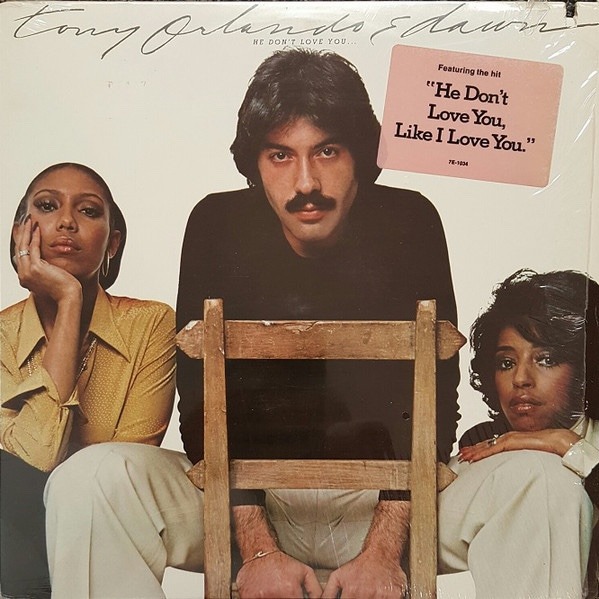
 View Artist