Song Meaning
Tony Joe White's "Widow Wimberly" isn't just a song; it's a character study etched in the humid earth of the South. The track paints a portrait of resilience against a backdrop of profound isolation. Wimberly, stripped of family, financial security, and even her partner, embodies a quiet strength that confounds the narrator. The central question, repeated like a mantra, isn't just about survival; it's an inquiry into the very nature of joy in the face of utter desolation: "Widow Wimberly how do you still manage to smile?"
The lyrics offer a stark depiction of Wimberly's circumstances. Her children are gone, a grandchild remains a stranger, and her husband is recently deceased. She lacks the resources to maintain her home, a powerful metaphor for her overall predicament. The "no one to chop your wood / No one to mend your fence" lines aren't just practical observations; they highlight the absence of human connection and support in her life. The narrator, seemingly an outsider looking in, is both sympathetic and deeply curious, drawn to Wimberly's enigmatic ability to find solace.
Ultimately, "Widow Wimberly" transcends simple storytelling. It delves into the psychological complexities of aging, loss, and the human spirit's capacity for adaptation. The narrator's repeated desire to "learn from you a while" suggests that Wimberly possesses a wisdom born not from privilege or comfort, but from enduring hardship. The song becomes a meditation on the power of inner strength and the possibility of finding grace even when life seems determined to offer only sorrow. Wimberly's smile, therefore, is not a denial of her pain, but a testament to her unwavering spirit, a beacon in the darkness that inspires both awe and introspection.
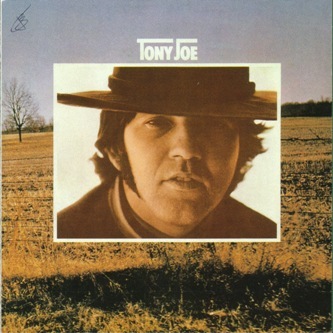
 View Artist