Song Meaning
Tony Joe White's "Louisiana Rain" isn't just a song; it's a humid fever dream of longing. The track drips with nostalgia, a potent yearning for a simpler past. The lyrics paint a vivid picture of rural Louisiana life – a barefoot boy, a shotgun house with its rusted tin roof, the communal spirit of a church gathering. These aren't just images; they're emotional anchors, grounding the song's central theme: the search for authenticity in a world that's become too complex. The "Louisiana rain" itself acts as a recurring symbol, a sonic trigger that unlocks memories of a more innocent time. It's not just weather; it's a baptism, a cleansing wash that promises to strip away the accumulated baggage of life.
The recurring mention of dreams is key to understanding the song's deeper meaning. Dreams, in a psychological sense, often represent unresolved conflicts or desires. In "Louisiana Rain," the dreams suggest a dissatisfaction with the present, a feeling of being disconnected from one's roots. The sound of the freight train in the night amplifies this feeling of isolation, a mournful reminder of how far the narrator has drifted from his origins. It's a classic case of the pastoral ideal – the romanticized vision of rural life as a refuge from the anxieties of modern existence.
Ultimately, "Louisiana Rain" is a song about the search for home, not just in a physical sense, but in an emotional and spiritual one. It's a reminder that sometimes, the most profound truths are found not in grand achievements or material possessions, but in the simple, unadorned moments of life. The lyrics analysis reveals a universal desire to reconnect with something real, something authentic, in a world that often feels artificial and alienating. The repeated line, "I've got to get my life back simple and plain," serves as both a confession and a resolution, a promise to return to the source, to find solace and meaning in the metaphorical and literal Louisiana rain.
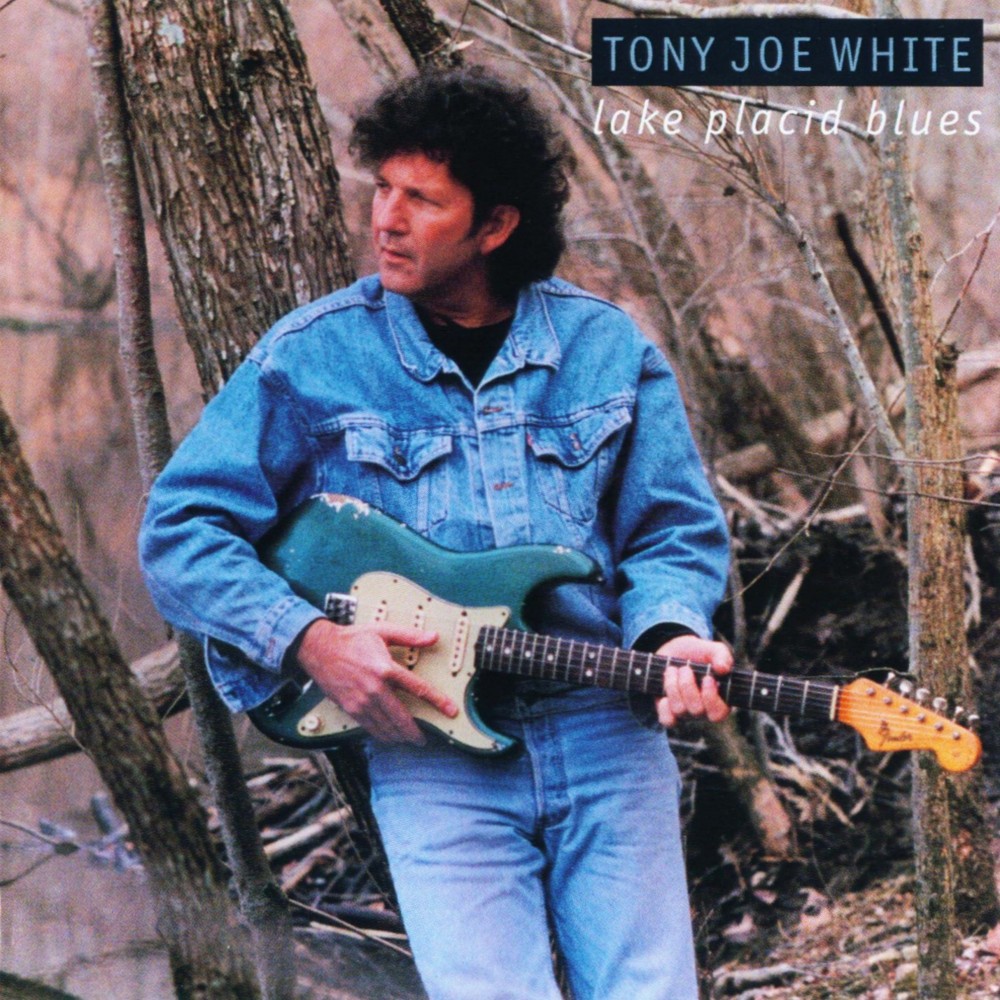
 View Artist