Song Meaning
Tony Joe White's "Conjure Woman" doesn't just tell a story; it taps into the primal fears and superstitions that linger in the human psyche. The song meaning operates on multiple levels. On the surface, it's a narrative about a woman ostracized and feared, a figure of folklore who allegedly wields dark magic. The lyrics paint a vivid picture of her rituals by the campfire, her anguished cries in the swamp, and the chilling rumors that surround her. The repeated pleas, "Conjure woman, conjure woman, conjure woman don't put no spell on me," reveal a community grappling with its anxieties, projecting its fears onto an outsider. This woman, however, is not a one-dimensional villain. Her cries and clutch at "moss to her barren breast" suggest a deep loneliness and a yearning for connection. She is a figure of power, yes, but also of profound isolation.
Beneath the surface narrative, "Conjure Woman" explores themes of otherness and the human tendency to demonize what we don't understand. The conjure woman's power, whether real or imagined, stems from her connection to the natural world – the swamp, the campfire, the "tongue of a hoot owl" and "tooth of a crawdad." This connection sets her apart from the community and makes her a target of suspicion. The song implicitly critiques the societal forces that create such figures, forcing them into the shadows and then fearing the darkness they embody. The 'bad spell' she supposedly casts could be interpreted as the consequences of this isolation, the psychic residue of being rejected and misunderstood.
Ultimately, "Conjure Woman" is a haunting exploration of power, fear, and the human need for connection. It reminds us that the monsters we create often reflect our own internal demons and anxieties. Tony Joe White masterfully uses the imagery of folklore to delve into the darker aspects of human nature, leaving the listener to question the true source of the 'bad spell' and the price of othering those who are different.
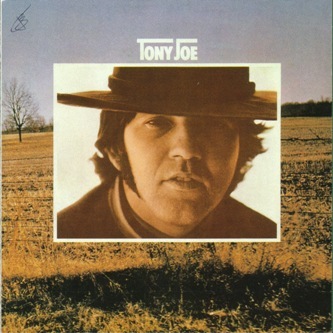
 View Artist