The Folks Who Live On the Hill
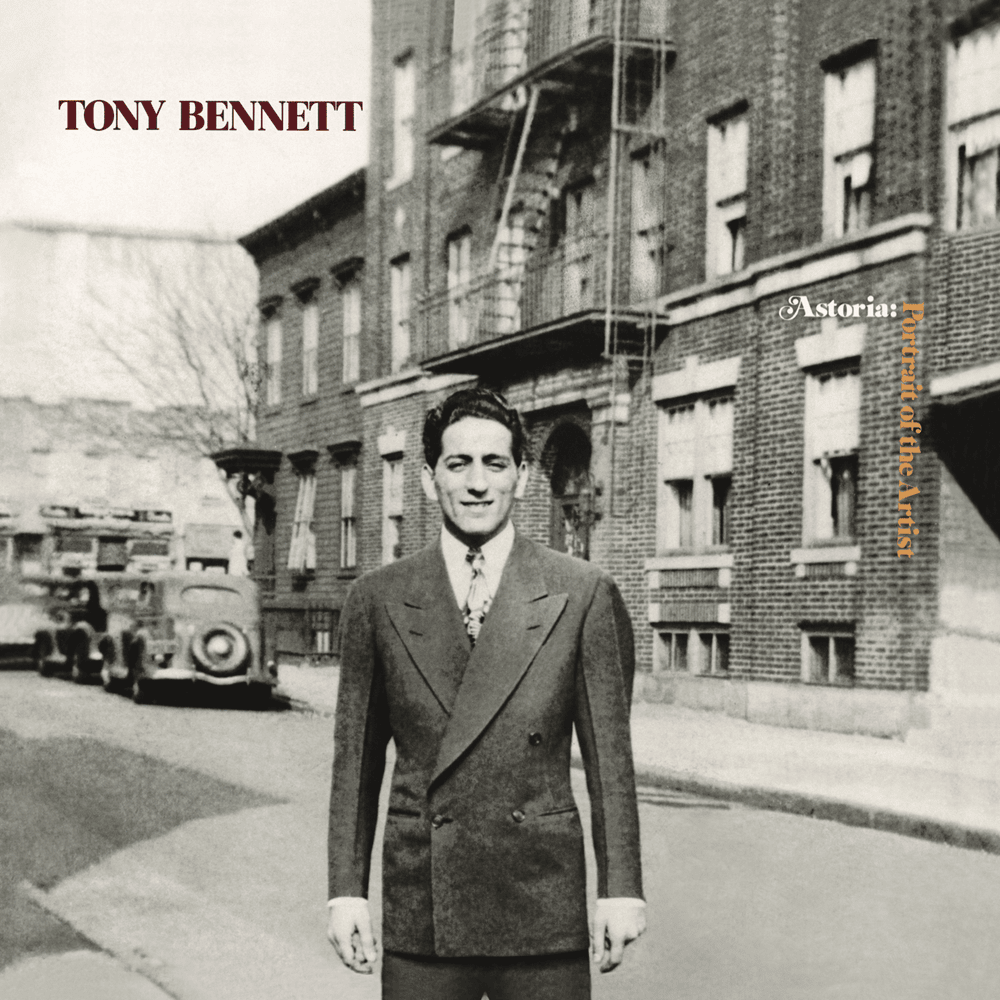
 View Artist
Lyrics
Someday we'll build a home on a hilltop high You and I, shiny and new Cottage that two can fill And we'll be pleased to be called The folks who live on the hill Someday we may be adding a wing or two A thing or two We will make changes, as any family will But we will always be called The folks who live on the hill Our veranda will command a view of meadows green The sort of view that seems to want to be seen And when our kids grow up and leave us We sit and look at that same old view Just we two, Darby and Joan Who used to be Jack and Jill The folks who like to be called What they have always been called The folks who live on the hill
Rate this song
0/5.0 - 0 Ratings
5
0.0% (0)
4
0.0% (0)
3
0.0% (0)
2
0.0% (0)
1
0.0% (0)
Loading comments...
Credits
- Writers
- Oscar Hammerstein II
- Jerome Kern