Song Meaning
This tune hammers home a singular, urgent message: the gravity of uttering "I love you." The narrator frames this declaration not as a casual sentiment, but as a potentially life-altering vow, emphasizing that insincerity carries a heavy moral weight. The opening lines immediately establish a stark contrast between the casual ease with which love can be professed and the profound consequences of a false promise. It’s a direct plea for absolute honesty in matters of the heart, suggesting that even a single misplaced word can shatter lives.
The central tension lies in the immense power attributed to spoken words, particularly the phrase "I love you." The lyrics paint a grim picture of widespread heartbreak, directly linking it to insincere confessions. The narrator’s own vulnerability is laid bare with the stark declaration, "If you break my heart, I'll die," amplifying the stakes. This isn't just about avoiding a lie; it's about preventing catastrophic emotional devastation for both the speaker and the listener.
The song’s effectiveness hinges on its relentless repetition and simple, declarative structure. The phrase "It's a sin to tell a lie" acts as a moral anchor, grounding the entire argument. The insistent repetition of "I love you, yes I do, I love you" underscores the narrator's desperate desire for genuine affection, while simultaneously reinforcing the warning. This directness, almost like a mantra, makes the message inescapable and deeply felt.
Ultimately, the lyrics resonate because they tap into a universal fear of deception in intimate relationships. The stark warning and the plea for truth feel intensely personal, yet the mention of "millions of hearts" suggests a broader human experience. The song’s power comes from its unvarnished, almost childlike insistence on honesty, making the simple act of saying "I love you" feel like a sacred, weighty act.
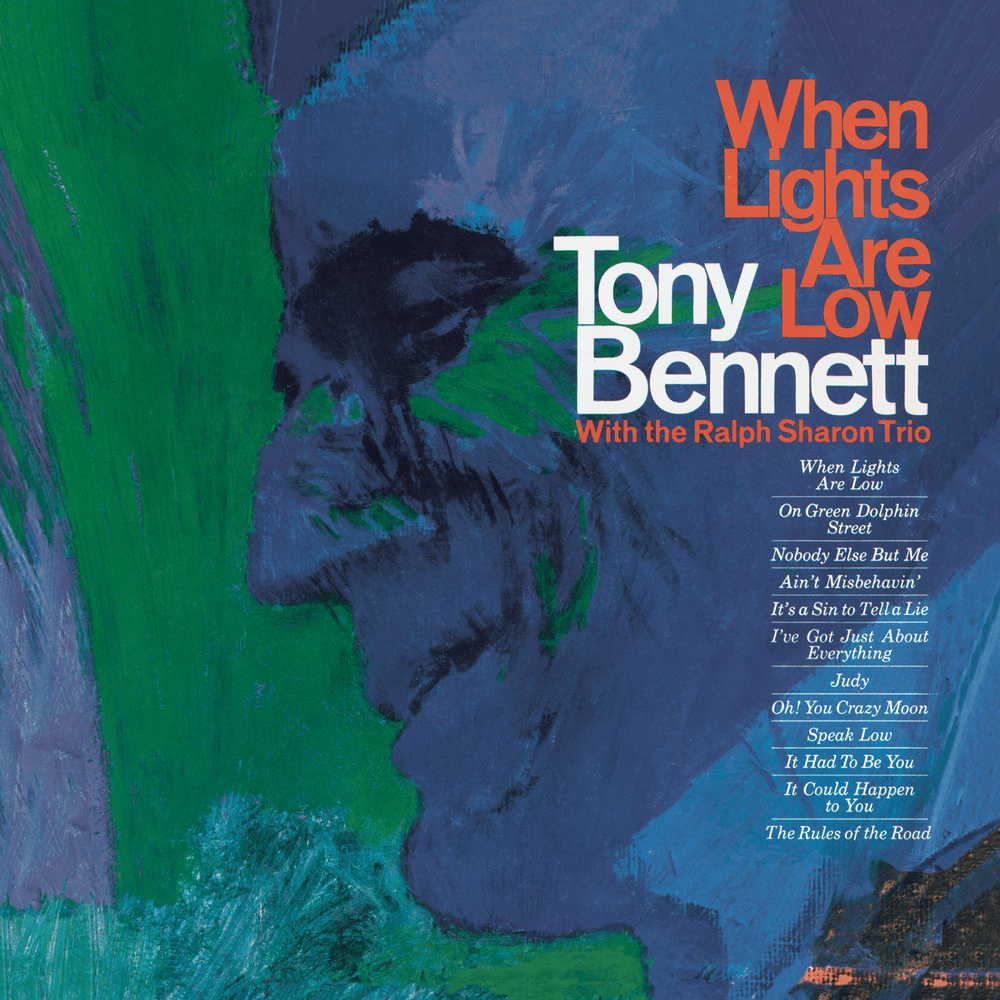
 View Artist