Song Meaning
The lyrics paint a portrait of a "Harlem butterfly," a figure seemingly born under a specific, evocative sky, marked by a "lonely horn" and a moonlit gaze. This initial imagery establishes a sense of inherent destiny or a deeply ingrained nature, suggesting that the circumstances of birth have left an indelible "mark" that cannot be shed. The narrator observes this individual's trajectory, acknowledging a path that seems destined for trouble, a "will o' the wisp" chase in the dark. This pursuit is intrinsically linked to a "heart singing the blues," a core emotional state that defines the butterfly's inner life despite outward actions.
The central tension lies in the narrator's resigned, almost admiring, acceptance of the butterfly's fate. There's a recognition that this individual is drawn to a destructive path – "You'll come to no good" – yet the narrator expresses no judgment, even admitting a personal inclination to follow the same course: "I'm certain I would do / The same if I could." This suggests a shared understanding of a powerful, perhaps irresistible, impulse that drives the butterfly, an impulse that the narrator understands on a fundamental level, even if they are not actively participating in it.
The most striking craft element is the extended metaphor of the "Harlem butterfly" itself, combined with the imagery of a candle burning "at the ends." This candle, though it produces a "lovely light," is inherently unsustainable, destined to be consumed. It perfectly encapsulates the butterfly's existence: brilliant, captivating, but ultimately fleeting and self-destructive. The repetition of "Harlem butterfly" throughout the piece reinforces this central image, acting as both an address and a descriptor, solidifying the ephemeral, beautiful, yet doomed nature of the subject.
What makes these lyrics resonate is their melancholic acknowledgment of a beautiful, tragic inevitability. The writing doesn't condemn the butterfly but rather observes its luminous, blues-infused existence with a kind of wistful empathy. The contrast between the "lovely light" and the "no good" outcome, framed by the narrator's own potential to follow suit, creates a poignant reflection on inherent nature and the allure of a life lived intensely, even if it burns out quickly.
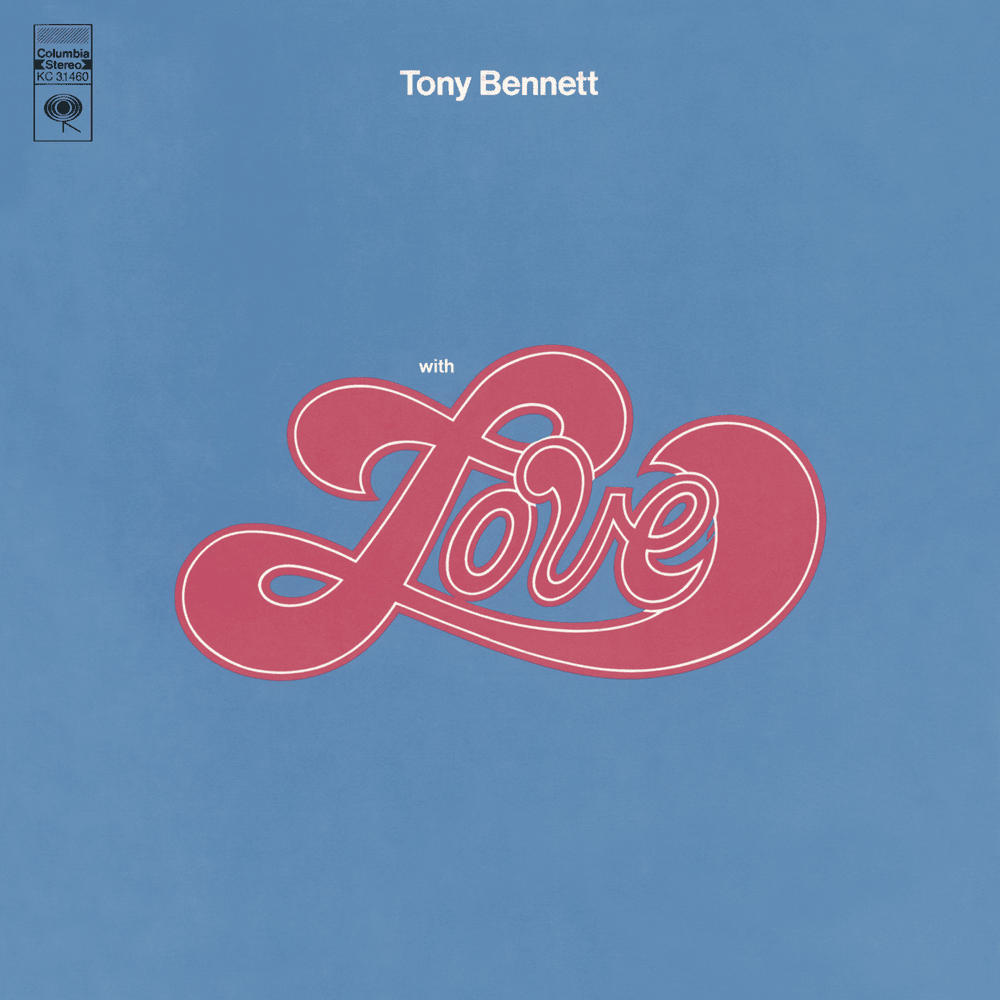
 View Artist