Song Meaning
The lyrics paint a picture of someone who has completely withdrawn from social life after a significant absence or loss. The narrator explicitly states, "Missed the Saturday dance" and "Couldn't bear it without you," immediately establishing a mood of melancholy and isolation. This isn't just a temporary lull; the narrator's world has shrunk to the point where even the thought of going out is met with a dismissive "¿Pa' qué?" (What for?). The repeated phrase "Don't get around much anymore" acts as a stark, resigned declaration of this new reality.
The core tension arises from the contrast between the narrator's past social engagement and their current, self-imposed confinement. While "they crowded the floor" at the dance, the narrator chose not to participate, indicating a deliberate withdrawal rather than mere circumstance. The Spanish verses reinforce this, with the narrator telling someone to say they "no ando ya por la ciudad" (I'm no longer around the city), further emphasizing a hidden or absent status. This suggests a deep emotional wound that makes social interaction unbearable.
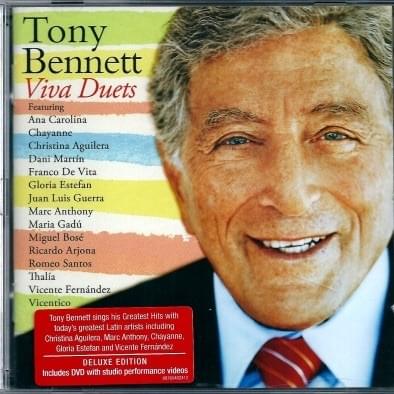
The most striking craft element is the bilingual interplay, particularly how the Spanish lines echo and amplify the English sentiment. Miguel Bosé's lines like "Mejor es dejar las cosas así" (It's better to leave things as they are) and "¿Pa' qué andar por ahí?" (What's the point of going around?) directly mirror Tony Bennett's English pronouncements of disengagement. This duet structure isn't just a stylistic choice; it underscores the universality of the feeling of being unable to move on, creating a shared experience of emotional stasis.
Ultimately, the effectiveness of these lyrics lies in their simple, direct portrayal of profound loneliness. The narrator isn't seeking pity; they're stating a fact about their diminished existence. The repeated, almost mantra-like refrain of "Don't get around much anymore" coupled with the acknowledgment that "It's awfully different without you" creates a powerful, melancholic resonance that speaks to the isolating nature of heartbreak.