Song Meaning
The narrator is stuck in a loop of absence, haunted by the ghost of a past relationship. Every social opportunity, from a "Saturday dance" to a "visit the club," is met with the same paralyzing thought: the absence of a specific person makes any gathering feel hollow. The repeated phrase "Don't get around much anymore" isn't just a statement of fact; it's a confession of emotional paralysis, a direct consequence of missing a key figure. The lyrics paint a picture of someone literally standing on the threshold of social life, unable to cross it because the intended companion is no longer there.
The central tension lies between the narrator's awareness of social possibilities and their inability to engage with them. They "missed the Saturday dance" and "got as far as the door" of the club, indicating a desire or at least an attempt to participate. However, the overwhelming presence of the absent loved one renders these attempts futile. The question "what for?" echoes through the verses, highlighting the perceived pointlessness of any activity without that specific person, suggesting a deep-seated emotional dependency.
The craft here is deceptively simple, relying on repetition and understated imagery to convey profound loneliness. The structure, with its recurring refrain, hammers home the narrator's stagnant emotional state. The subtle shift in Verse 3, where the narrator claims their "mind's more at ease" but then immediately questions stirring memories, reveals an internal conflict. This isn't peace; it's a willed avoidance, a fragile truce with grief that prevents genuine engagement with the present.
Ultimately, these lyrics resonate because they capture a specific, relatable kind of heartbreak: the one that shrinks your world. It's not about grand gestures or dramatic breakdowns, but the quiet, persistent withdrawal from life's pleasures because a crucial element is missing. The power lies in the mundane details—the crowded floor, the club door—transformed into insurmountable barriers by the weight of a singular absence.
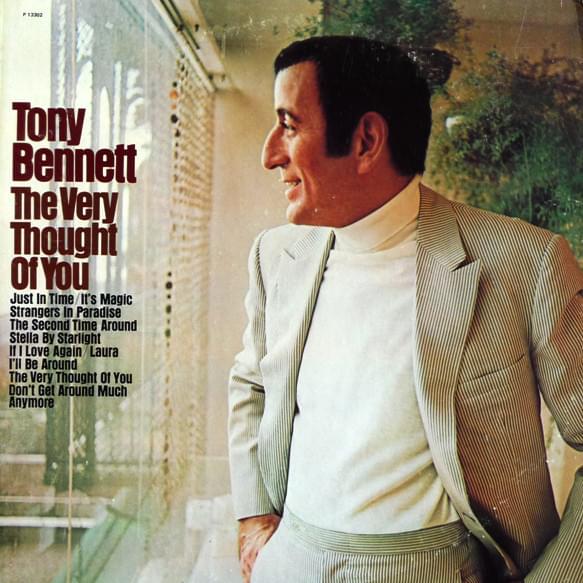
 View Artist