Song Meaning
The lyrics paint a picture of someone lost in a melancholic, dreamlike state, colored by a pervasive sense of solitude. The repeated phrase "azure mood" establishes a specific emotional palette – a deep, perhaps sad, blue. This isn't just a passing feeling; it's an "azure interlude," a distinct period of time defined by this introspective, isolated headspace. The imagery of "stardust gleamin'" adds a touch of cosmic wonder, but it's filtered through "solitude," suggesting a beauty that's observed from a distance, unshared.
The central tension arises from the narrator's conflicting internal states. They acknowledge being "all alone" and "haunted by the dreams I own," indicating a deep-seated loneliness and perhaps regret. Yet, this is juxtaposed with a forced acceptance: "though I'm tormented, I must be contented." This isn't genuine peace, but a resignation to the current emotional landscape, a decision to find a way to exist within the melancholy rather than fight it.
The most striking craft element is the deliberate repetition of "Driftin', dreamin', In an azure mood." This refrain acts like a mantra, reinforcing the immersive quality of the narrator's state. The word "azure" itself, appearing multiple times, becomes more than just a color; it's the defining characteristic of this specific emotional experience, a constant reminder of the blue-tinted reality the narrator inhabits. The "blue illusion" of a potential companion further emphasizes the isolation, a fleeting thought in this self-contained world.
Ultimately, the effectiveness of these lyrics lies in their ability to capture the quiet ache of loneliness and the complex emotional work of finding contentment within it. The narrator isn't seeking escape but rather a way to be present, even if that presence is steeped in a profound, dreamlike blue. The cyclical nature of the verses, returning to the "azure mood," mirrors the feeling of being caught in a loop of introspection, a state that is both tormenting and, by necessity, accepted.
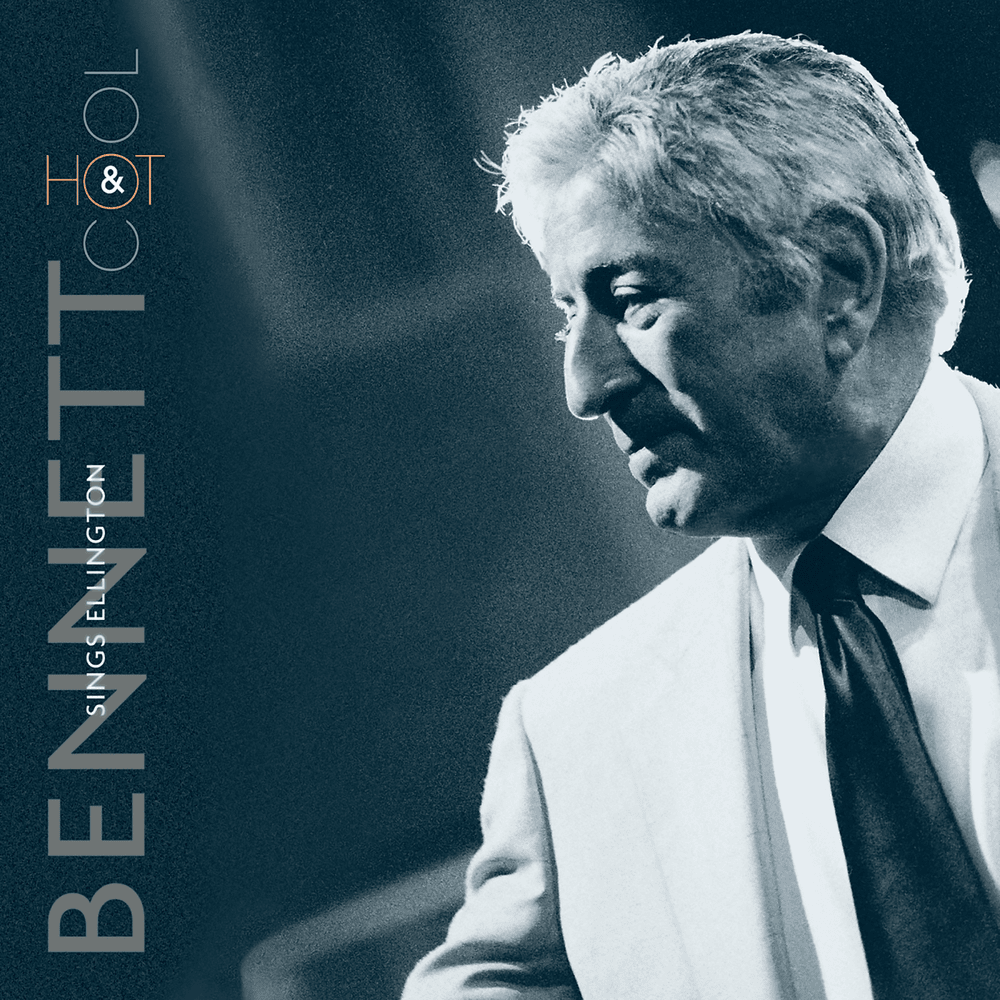
 View Artist