Song Meaning
The lyrics paint a picture of simple, sensory moments that accumulate into a life lived with intention. The narrator describes opening a door to the river, tasting a sour daisy, and returning to a forgotten sound, all while feeling the sun and smelling rosemary. This grounding in the physical world is punctuated by the recurring "às vezes" (sometimes) that introduces contrasting experiences: a nettle, a rose, or a blackberry. This juxtaposition suggests that even a life filled with simple pleasures also contains its share of stings and sweetness, but the overall sentiment is one of hopeful possibility.
The core tension lies in the desire to live authentically, to be "gente de verdade" (real people) or "gente conseguida" (accomplished people), at least once. This aspiration is framed not as a grand, singular achievement, but as a collection of moments, both mundane and profound. The narrator suggests that it's never too late to embrace these experiences, whether it's a fleeting idea, a poem, or a meaningful glance. The repeated phrase "Estamos sempre a tempo" (We are always on time) acts as a constant reassurance, underscoring the idea that opportunities for genuine living are perpetually available.
The most striking craft element is the cyclical structure and the use of "às vezes." This repetition, paired with the contrasting imagery of nettles and roses, highlights the unpredictable nature of life. It’s not about a perfect, curated existence, but about embracing the full spectrum of experiences. The inclusion of "uma ideia," "um poema," and "um olhar" alongside more tangible sensory details suggests that inner life and external reality are equally vital components of being "às vezes" that contribute to a life worth living. The specific cultural touchstone of a Portuguese birth, "Ser português assim se querem a verdade / É nascer uma menina e os pais porem: Maria…," grounds the universal theme in a particular, relatable context.
Ultimately, these lyrics resonate because they acknowledge the messy, imperfect reality of existence while championing the enduring human capacity for genuine experience. The emphasis on "ao menos uma vez" (at least once) isn't about a singular, monumental event, but about the cumulative power of small, intentional acts of living. The writing encourages a mindful engagement with the present, suggesting that true fulfillment can be found in the simple, sometimes unexpected, moments that make up a life, and that the chance to embrace them is always within reach.
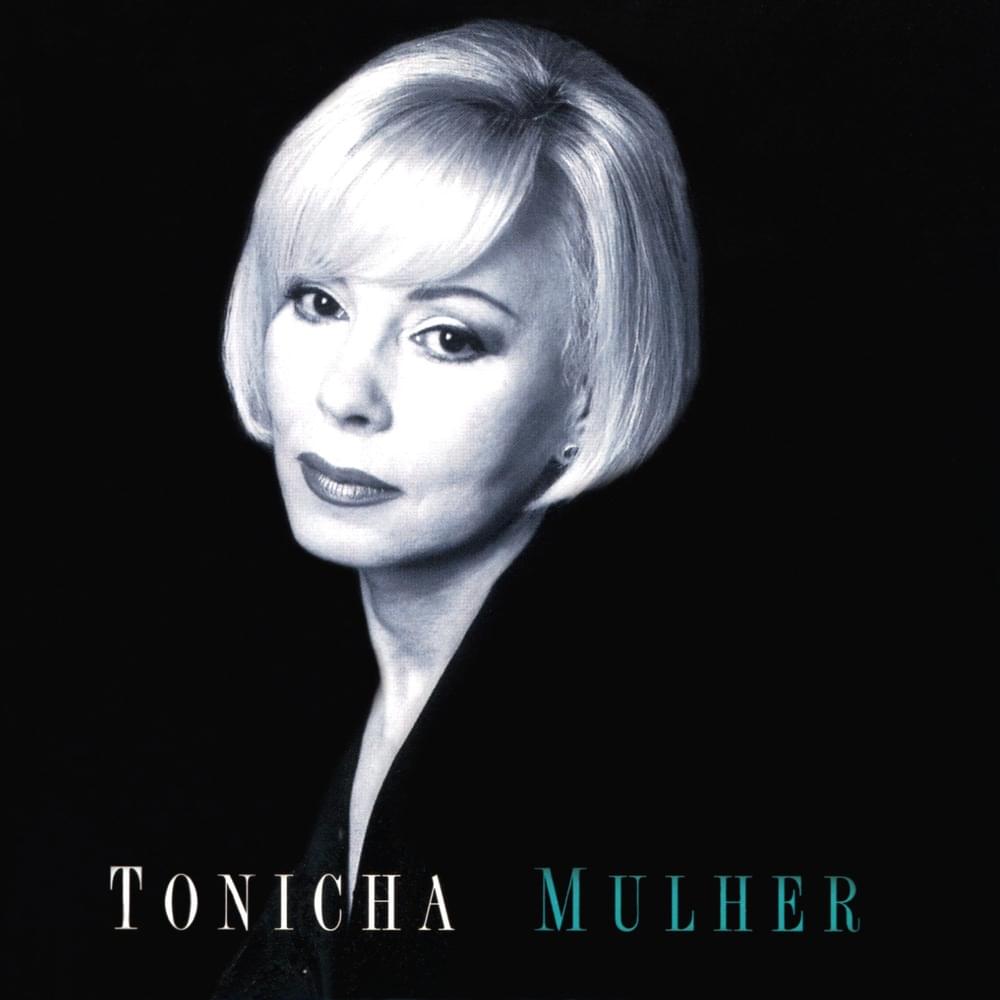
 View Artist