Song Meaning
The lyrics open with a dense, philosophical meditation on time's nature, then abruptly pivot to a sharp, personal confrontation. This sudden shift creates an immediate tension. It juxtaposes grand existential thoughts with a very human moment of finality. The speaker appears to be drawing a definitive line in a relationship.
The core tension lies in the clash between abstract timelessness and concrete, irreversible personal loss. The opening lines suggest time is cyclical and "all is always now," yet the speaker declares "Time is long gone" in a personal context. This implies a specific, irretrievable moment has passed, making the philosophical musings feel like a heavy backdrop to a very real, painful ending. The past, despite its theoretical presence in the future, is personally unredeemable.
The most striking craft element is the stark contrast in language and perspective. The initial lines employ sophisticated, almost academic phrasing, discussing time as an abstract concept. This abruptly gives way to blunt, direct statements like "You know you can't rely on me" and the repeated, emphatic "I won't ask you again." This linguistic whiplash underscores the speaker's shift from detached observation to firm, personal boundary-setting. The philosophical preamble sets a stage for a very human, immediate heartbreak.
These lyrics are effective because they frame a deeply personal breakdown within a vast, almost cosmic understanding of existence. The philosophical preamble, particularly the idea that "only living can only die," imbues the subsequent personal declarations with a sense of inevitability and existential weight. The repeated "I won't ask you again" lands with devastating finality, suggesting a weariness that transcends mere frustration. It hints at a deeper acceptance of life's inherent impermanence and the unredeemable nature of lost moments. The closing "Words after speech reach into the silence" leaves a lingering echo, suggesting the profound, perhaps futile, impact of these final words.
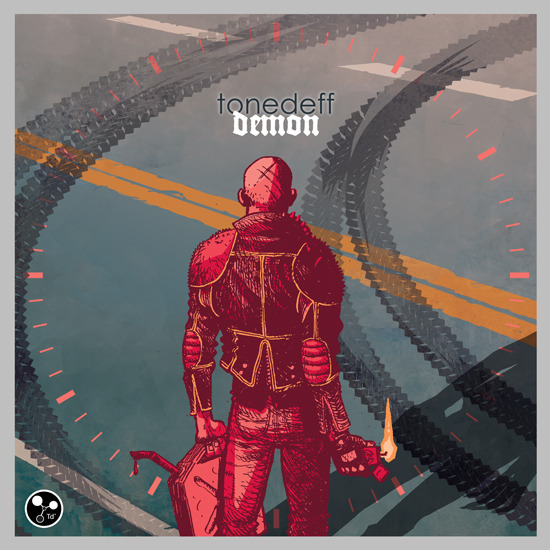
 View Artist