Song Meaning
The lyrics paint a picture of life's inevitable decay and the fleeting nature of joy, all set against a backdrop of physical decline. The repeated phrase "Parti vrime, parti" (Time passes, passes) immediately establishes a sense of relentless progression and loss. This is echoed in "Parte judi, parte tanci" (People leave, people dance), suggesting a cycle of arrivals and departures, of moments of celebration that inevitably fade. The imagery of "Cima zima, kapje špina" (Winter comes, the tap drips) and the subsequent "Kap, kap" creates a stark, almost melancholic atmosphere, hinting at a persistent, unavoidable leakage or diminishment.
The central tension arises from the struggle to hold onto happiness and youth in the face of this decay. The narrator advises, "Ne afanaj kad nan jubav parti / Škunkvašana" (Don't despair when love leaves us / Washed out/faded). This plea to resist despair is juxtaposed with images of aging and decline: "pasa mladost, pukne šlapa" (youth passes, the sole cracks), "Zub se klima" (a tooth loosens), and "Lumbago mi tilo cima" (lumbago grips my body). The lyrics suggest that while love and youth are transient, the emotional response to their passing is something one can attempt to control.
The most striking craft element is the pervasive use of repetition and onomatopoeia to underscore the theme of ongoing decay. The constant "Kap, kap" from the dripping tap becomes a sonic metaphor for time and vitality slowly leaking away. The repetition of "pasa" (passes) and "gobi" (goes/disappears) reinforces the sense of things slipping out of grasp. Even the sound of a creaking bicycle, "Å kripju Å¡pale, Å¡kripju / Škripje moja bićikleta," contributes to this auditory landscape of wear and tear, mirroring the physical ailments mentioned.
Ultimately, these lyrics resonate because they capture a universal feeling of life's impermanence through vivid, grounded imagery. The advice not to despair when love fades, while acknowledging the inevitability of loss, offers a sliver of resilience. The writing doesn't shy away from the discomfort of aging and decline, but frames it within a cyclical understanding of time and experience, making the plea for emotional fortitude feel earned and deeply human.
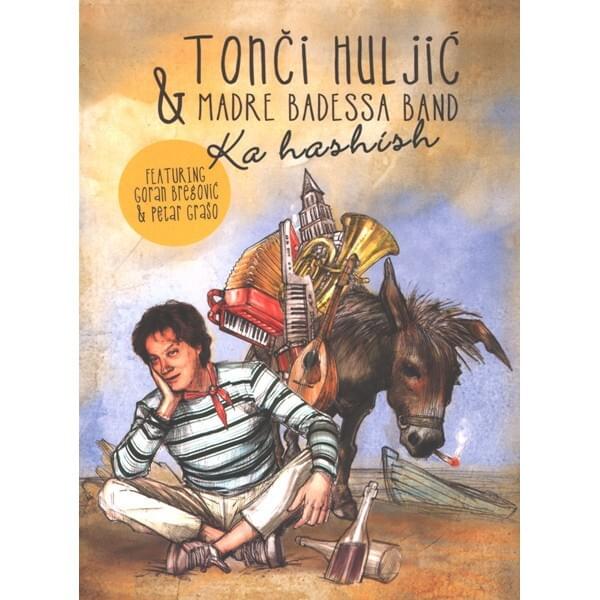
 View Artist