Song Meaning
This intro immediately thrusts the listener into a dark, almost nihilistic headspace. The repeated phrase "We all die" isn't a comforting reminder of shared humanity, but a stark, blunt declaration of inevitability. It’s set against a backdrop of "manical laughter" and the ominous label "Soultakers," creating a sense of dread and inescapable fate. The raw repetition hammers home a singular, grim message.
The core tension here is the confrontation with mortality, stripped of any pretense or hope. The insistent "Die nigga" acts as a visceral, almost aggressive punctuation to the existential pronouncements. It suggests a brutal reality where death is not just a fact, but a force that claims everyone, regardless of status or identity. This isn't a philosophical musing; it feels like a raw, guttural scream against an indifferent universe.
The most striking element is the sheer sonic and lyrical density of the repetition. "Soultakers," "We all die," and "Die nigga" are not just words; they become a rhythmic, incantatory force. The introduction of "Flat Line" further solidifies the theme of death, transforming the abstract concept into a concrete, terminal event. This relentless cycle of phrases builds an atmosphere of suffocating finality.
What makes these lyrics hit so hard is their unflinching directness and sonic assault. They bypass complex metaphor for pure, unadulterated impact. The "manical laughter" and the aggressive repetition create an unsettling, almost primal energy. It’s effective because it bypasses intellectualization and goes straight for a visceral, chilling reaction to the idea of absolute, inescapable death.
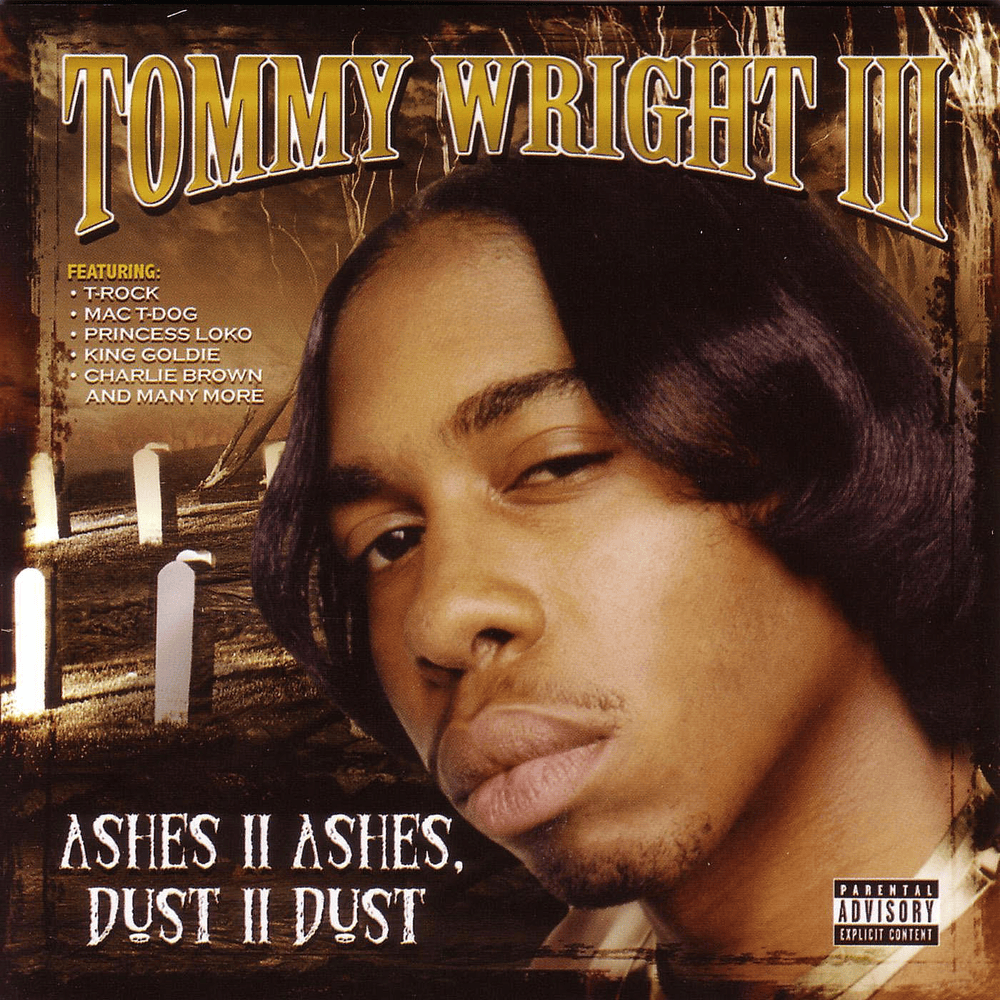
 View Artist