Song Meaning
The lyrics paint a picture of departure, tinged with a weary resignation. The repeated "Cry, bye-bye" and "Baby, bye an bye" establish a melancholic farewell, a drawn-out goodbye that feels both inevitable and painful. The narrator is leaving, stating "I'm goin' away, Lord / Baby, won't be back 'till fall," setting a scene of physical separation.
The central tension seems to revolve around a sense of karmic justice, or perhaps a perceived lack thereof. The narrator repeatedly questions "Does that good book tell you / Reap just what you sow?" This suggests a belief that actions should have consequences, yet the situation implies those consequences aren't being met, or that the narrator is being forced to "reap enough" of something unpleasant. The phrase "Thou reap enough" carries a heavy, almost biblical weight, hinting at a burden or a punishment.
The imagery of "two trains runnin' / Runnin' side by side" is particularly striking. This juxtaposition of parallel paths, moving together yet separate, could represent the narrator's own life and the life of the person they're leaving, or perhaps two rival figures. The line "You've got my woman / Baby, know you're satisfied" directly points to a betrayal, suggesting the narrator's departure is linked to this loss and the perceived satisfaction of the other party.
This song hits hard because of its raw, almost conversational lament. The simple, repetitive structure and direct language create a feeling of unvarnished truth. The narrator isn't offering complex metaphors; they're stating a painful reality, questioning divine fairness while acknowledging a personal betrayal. The "bye and bye" refrain, while sounding like a simple farewell, becomes a loaded phrase, echoing the slow, drawn-out nature of the narrator's suffering and departure.
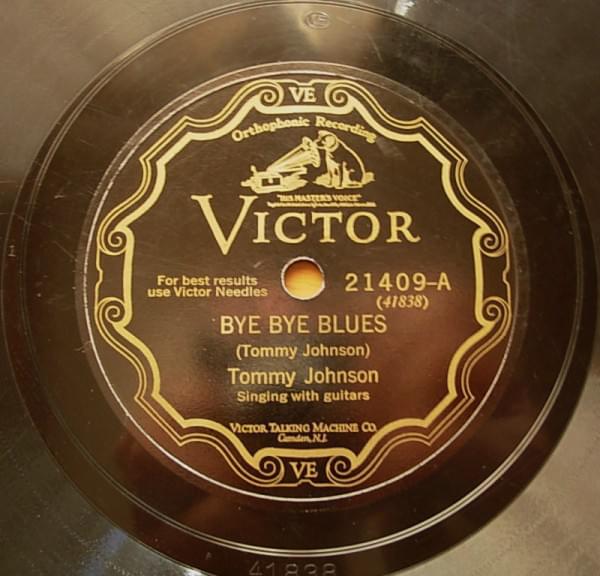
 View Artist