Song Meaning
The lyrics open on a poignant farewell, with the speaker bracing for a painful goodbye. There's a raw vulnerability here, as they ask for understanding: "Pardon me, if I'm sentimental" and "Don't be angry with me should I cry." This sets a tone of quiet, almost apologetic heartbreak.
The central emotional tension arises from a cruel irony: "You taught me how to love and now you say that we are through." The very person who initiated the speaker into love is now ending it, leaving a profound sense of abandonment. Despite this, the speaker clings to a future fantasy, suggesting they'll "dream a little dream as years go by," a testament to an enduring, perhaps irrational, hope.
The repeated refrain, "Now and then there's a fool such as I," evolves throughout the lyrics. Initially a general observation, it quickly becomes a self-identification, a resigned acceptance of their own unwavering devotion. This self-labeling as a "fool" isn't entirely self-pitying; it carries a stubborn defiance, culminating in the powerful declaration: "I'm a fool, but I'll love you, dear, until the day I die."
These lyrics are effective because they capture the stubborn, almost illogical nature of deep attachment. The speaker's willingness to embrace the label of "fool" for the sake of their love, even in the face of rejection, creates a powerful emotional resonance. It's a raw, honest portrayal of a heart that simply cannot, or will not, let go, making the heartbreak feel both personal and universally understood.
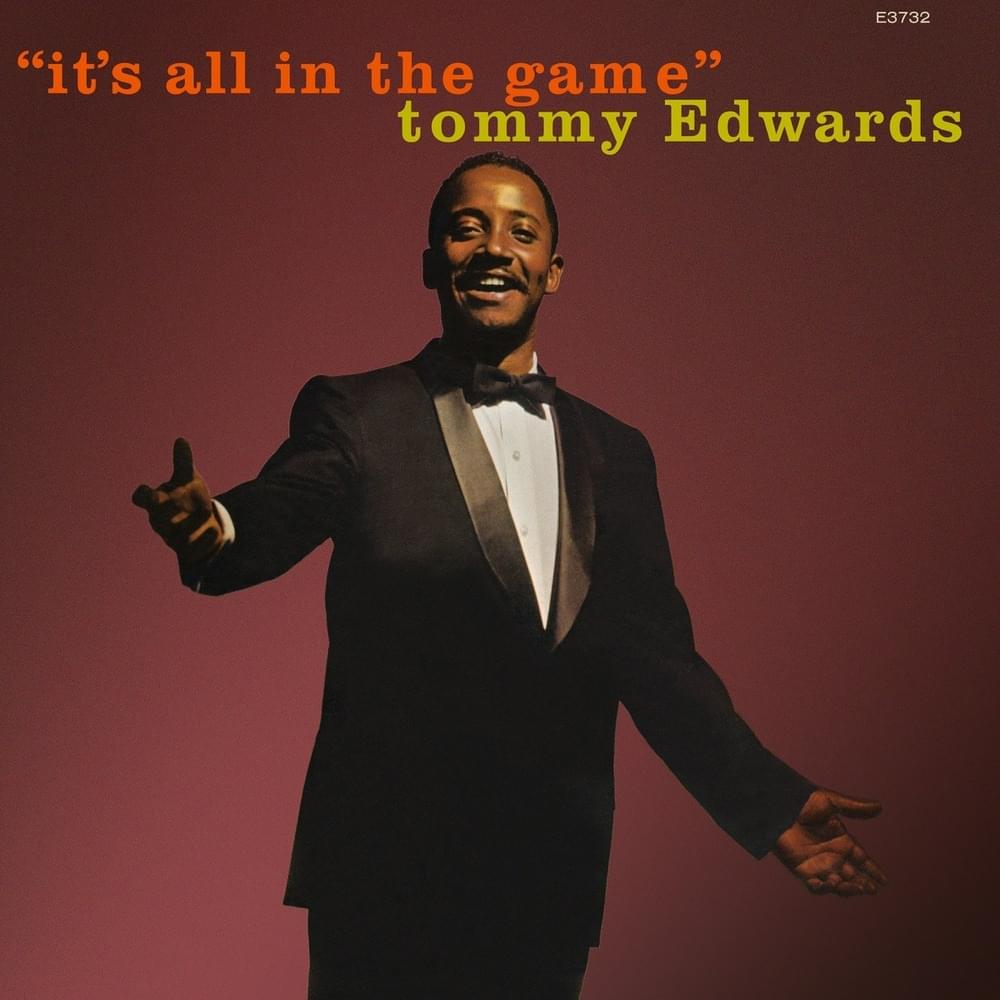
 View Artist