Song Meaning
The lyrics paint a stark picture of loss and a lingering, almost hallucinatory connection to someone departed. The opening lines immediately establish a sense of finality and decay, describing death as "fatal, contagious" and a body "forfeited to sleep." Yet, the narrator claims not to remember the "wreckage" or "waste," suggesting a dissociation from the physical reality of the event, while simultaneously asserting a pervasive presence: "There is no place where I am not." This creates an immediate tension between absence and an overwhelming, inescapable feeling of connection.
The core of the piece seems to grapple with the aftermath of a profound loss, where the narrator is trapped in a state of perpetual remembrance and decay. The imagery of "remaining flesh on my bones" and being "marked when I bled last" points to a visceral, physical deterioration mirroring an internal torment. This is juxtaposed with an "everlasting dream intravenous" and "auric bliss," hinting at a desired escape or a warped sense of peace found in the memory, even if it's a painful one. The phrase "Your voice alive in legend" suggests the deceased is now mythologized, a common coping mechanism for grief.
A striking element is the contrast between the narrator's immediate, decaying experience and the detached observation of "They of the grand." These figures are "enraptured by fate's tangled thread" and "subsist in the current of causality," implying they are observers or perhaps beneficiaries of a grand, predetermined order that the narrator is desperately trying to comprehend or escape. The narrator, however, is "Forbidden to forget" and finds themselves "stripped as you are," suggesting a shared, inescapable fate or a profound empathy with the lost individual. The repeated line "There where you lay, stripped as you are" anchors this shared vulnerability.
Ultimately, the lyrics are effective because they articulate a disorienting and agonizing state of being after loss. The narrator is caught between the visceral reality of their own decay and a dreamlike, almost spiritual connection to the departed, where memory is both a torment and a form of continued existence. The "infinite process" and "nothing left to hear" suggest a resignation to this unending cycle, a bleak acceptance of a fate that binds them inextricably to the memory of what was lost.
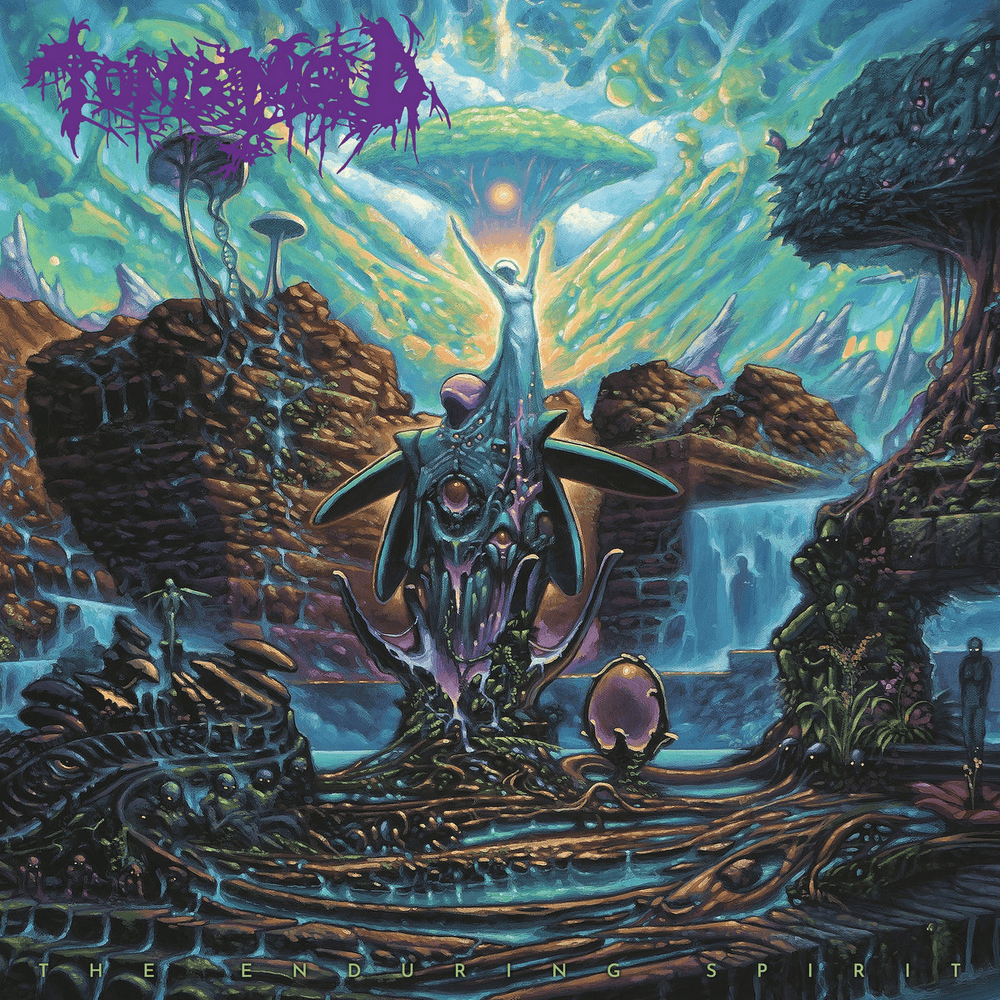
 View Artist