Song Meaning
The lyrics paint a poignant picture of lingering grief and the complex, unresolved nature of a relationship, likely with a father figure. The opening verse uses the fading evening sun and smoke from a fire to evoke the memory of someone who has passed, described as "the long fire that was you." This imagery suggests a once-intense presence that is now dissipating, leaving behind a sense of loss and the remnants of shared understanding, symbolized by the poetry the narrator offers.
The central tension lies in the repeated, almost incantatory phrase, "Åskan i hjärtat" (Thunder in the heart), which is directly linked to the idea that "it will never be easy for us." This suggests a deep-seated, perhaps inherited, emotional turmoil or a fundamental incompatibility that makes connection and peace elusive. The narrator grapples with the inability of the other person to explain fundamental aspects of life, like the relationship between a son and father, and the reasons for their own prolonged waiting and hope, even for the moment of the other's breaking point.
The lyrics masterfully shift between past and present, highlighting the narrator's transformation. The stark contrast between the child/boy who was once lifted and carried and the present self with "no tears left" after mourning for so long is particularly striking. This evolution underscores the enduring impact of the relationship and the profound exhaustion that comes with prolonged grief and unanswered questions. The repeated questioning, "Har du åskan i hjärtat?" (Do you have thunder in your heart?), directly addresses the other person, seeking a shared understanding of this internal storm.
Ultimately, the effectiveness of these lyrics stems from their raw emotional honesty and the evocative, yet understated, imagery. The "thunder in the heart" serves as a powerful metaphor for an internal, inescapable conflict that defines the relationship. The simple, direct language, combined with the cyclical nature of the chorus and the poignant contrast between past dependence and present desolation, creates a deeply resonant portrait of loss and the enduring struggle for emotional resolution.
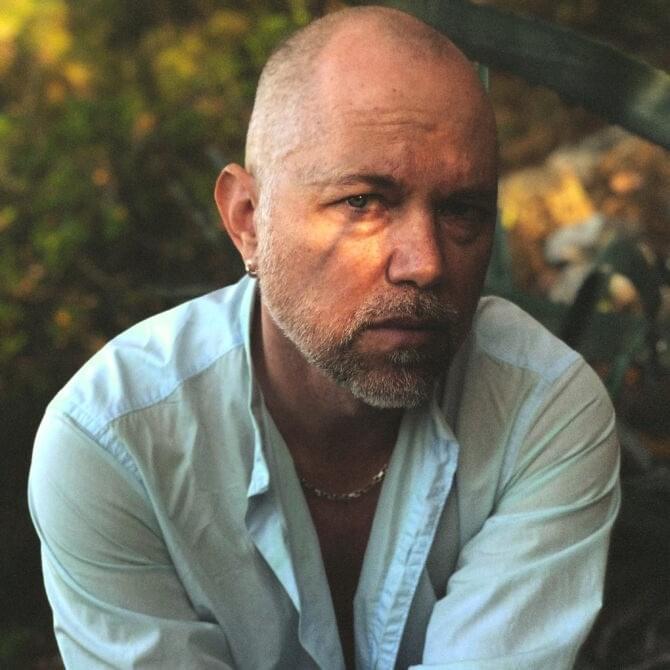
 View Artist