Song Meaning
The lyrics paint a stark picture of profound loneliness and heartbreak, framed by a direct address to a mother figure. The opening question, "Šta će mi život kad je nema majko" (What good is life if she's not here, mother?), immediately establishes a sense of despair so deep that life itself loses meaning without this absent "she." This isn't just sadness; it's an existential crisis triggered by loss, with the narrator declaring they "ne želim da imam" (don't want to have) any other love. The repetition of dreaming about her, "Sanjam je sanjam skoro svake noći" (I dream of her, I dream of her almost every night), emphasizes the obsessive nature of this longing and the inability to escape the memory.
The central conflict lies in the agonizing contrast between the enduring presence of this love in the narrator's heart and the crushing reality of their solitude. The refrain hammers this home: "Noćas mi srce pati, noćas me duša boli" (Tonight my heart suffers, tonight my soul aches). The lyrics explicitly state, "Teško je kad se voli, kad ostaneš sam" (It's hard when you love, when you are left alone). This isn't a fleeting moment of sadness but a sustained state of suffering, amplified by the seasonal imagery of autumn, "Jesen je tužna već odavno došla" (Autumn has sadly arrived long ago), suggesting a bleak and unchanging emotional landscape.
The most striking aspect of the craft is the persistent, almost desperate, invocation of the mother figure as a confidante for this romantic pain. The narrator repeatedly turns to "majko moja" (my mother) to express the depth of their love for the absent woman, creating an unusual triangulation of grief. It suggests a profound isolation where even the most intimate romantic sorrow must be processed through the lens of maternal connection, highlighting a desperate need for solace or perhaps an inability to articulate the pain directly. The simple, direct language and the repetitive structure of the verses and chorus amplify the feeling of being trapped in a cycle of pain.
Ultimately, these lyrics resonate because they articulate a universal, albeit intensely personal, experience of love lost and the void it leaves behind. The raw, unadorned language and the relentless focus on the narrator's internal suffering, particularly the aching heart and soul, make the pain palpable. The repeated phrase "Kad ostaneš sam" (When you are left alone) serves as a stark, final pronouncement, encapsulating the devastating consequence of this loss and the bleak outlook on a life devoid of the beloved.
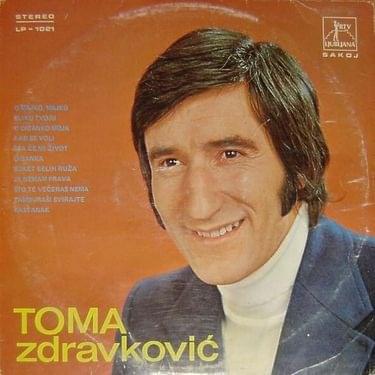
 View Artist