Song Meaning
This track plunges into a raw, almost primal desire for total immersion and control, expressed through a series of stark, visceral juxtapositions. The narrator doesn't just want to experience something; they want to *be* its most potent, even destructive, elements. The opening lines lay this out with chilling directness: wanting to be both the "laughter" and the "tooth," then the "tooth" and the "knife," culminating in the "knife" and the "cut" – all contained within a single, "red" kiss. This isn't about gentle affection; it's about a potent, perhaps dangerous, fusion of pleasure and pain.
The core tension arises from the narrator's apparent comfort, even peace, found only in extreme chaos and conflict. They claim to have made their "cradle" in "viração" (a whirlwind or turning) and only find rest in the "storm," sleeping soundly in the "hurricane." This suggests a personality that thrives on, or is defined by, turmoil, finding a strange form of stability in constant upheaval. It’s a profound inversion of seeking calm; here, calm is found *within* the tempest.
The lyrics masterfully employ a series of oppositional pairings to articulate this complex state of being. The narrator is "rage" and "vaccine," "search for sin" and "advice," the "space between pain and solace," and the "fight between light and the mirror." These aren't presented as things to be reconciled, but as inherent parts of the narrator's identity. The repetition of finding rest in the storm reinforces this idea: the destructive forces are not external threats but internal states of being.
What makes these lyrics so impactful is their unflinching portrayal of embracing duality and chaos. The language is sharp and immediate, avoiding abstraction. By positioning themselves as both the agent of harm (knife, cut) and the source of joy (laughter), and by finding solace in the most destructive natural forces, the narrator creates a compelling, unsettling portrait of selfhood. It’s a powerful expression of finding one's own unique equilibrium, even if that equilibrium exists on the edge of destruction.
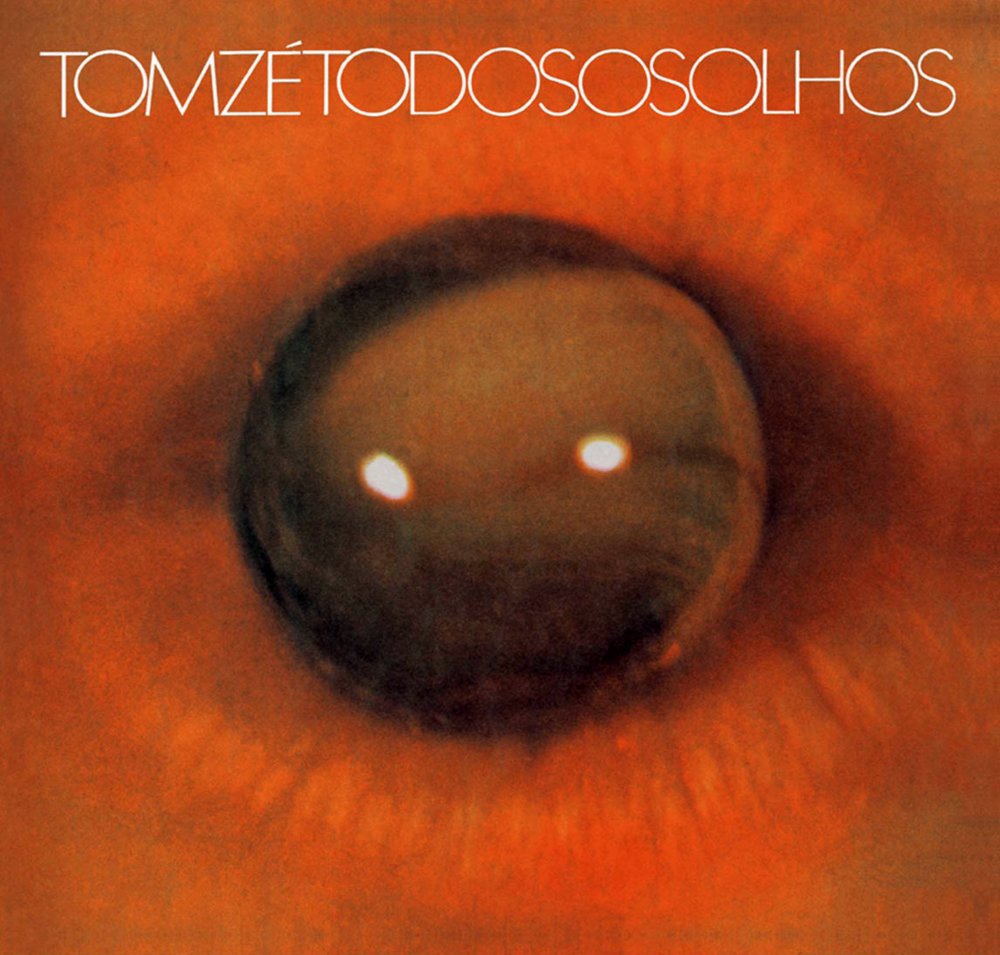
 View Artist