Song Meaning
These lyrics open with a relentless barrage of self-deprecating terms, painting a picture of someone dismissed as foolish, weak, and insignificant. The speaker rattles off insults like "caboclo tolo boboca" and "mico cabeça-oca," creating an immediate sense of being underestimated. It's a rapid-fire inventory of perceived flaws, setting a stage of profound dismissal.
But this initial self-description quickly pivots into a sharp, defiant rejection. The line "Penso dispenso a mula da sua ótica" is a visceral dismissal, refusing to be seen through someone else's narrow, foolish lens. The subsequent, almost vulgar, "Ora vá me lamber tradução inter-semiótica" cleverly juxtaposes crude defiance with high-minded intellectualism, asserting agency and a refusal to be neatly categorized or interpreted.
The core of the lyrics then shifts to a powerful act of reappropriation and self-definition. The "mulato baião" is described as "tá se blacktaiando," a brilliant neologism that suggests both a formal elevation (like a black-tie event) and a deepening of Black identity. This figure then "Smoka-se todo na estética do arrastão," embracing an aesthetic often associated with collective, sometimes transgressive, power, transforming a potentially negative perception into a statement of strength and style.
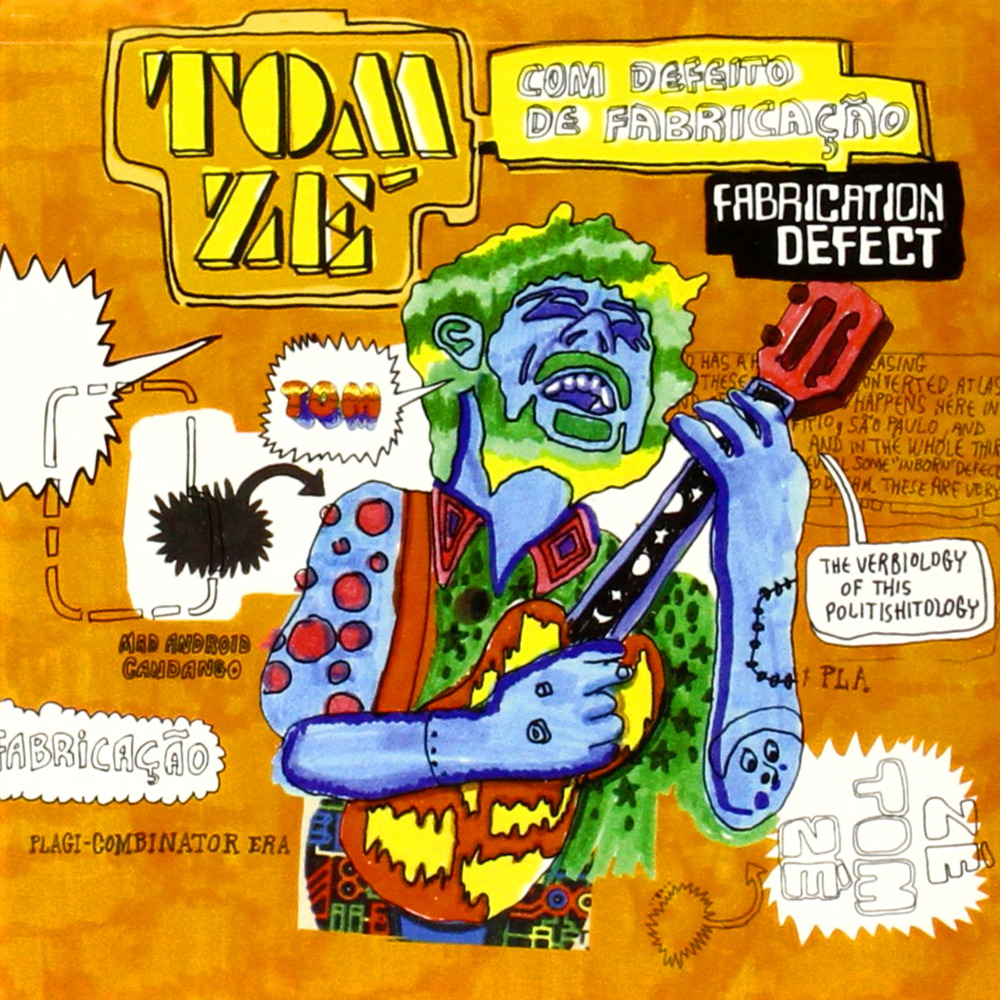
The rhythmic chant of "Ca esteti ca estetu" acts as a percussive, almost ritualistic affirmation, building energy before declaring the "estética do plágio-iê." This final phrase suggests a creative power in borrowing, transforming, and recontextualizing, turning what might be seen as imitation into a vibrant, original aesthetic. The lyrics effectively move from being defined by others' scorn to defiantly defining one's own powerful, complex identity through a masterful use of language and cultural reference.
 View Artist