Song Meaning
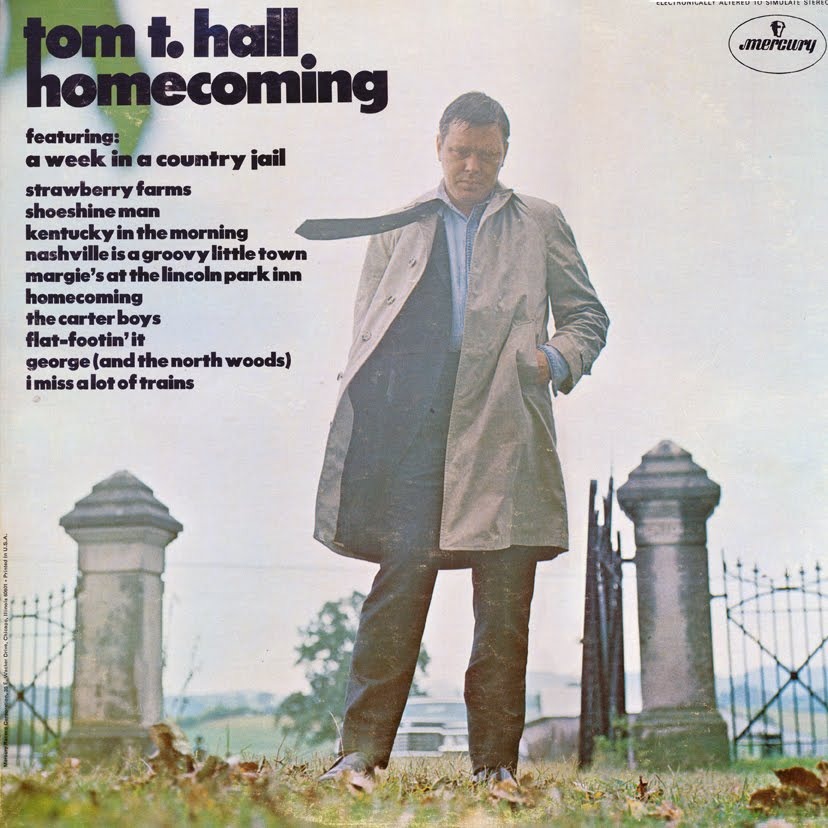
Tom T. Hall's "Strawberry Farms" isn't a saccharine ode to rural life; it's a stark and unsettling exploration of childhood trauma and exclusion. The seemingly idyllic "Strawberry Farms" is less a real place and more a symbol – a shimmering mirage of happiness forever out of reach for the song's narrator. The recurring chorus, with its promise of endless summer and sunshine, only serves to amplify the child's profound sense of abandonment. The lines, "the sun always shines, but an orphan can't go," cut with the precision of a diamond, exposing the cruel irony at the heart of the song. It’s a place where things seemingly "don't die," but the narrator's frog, a symbol of fragile companionship, tragically does. This encapsulates the central tension: the disconnect between the promised paradise and the harsh realities of the speaker's life.
Hall uses simple, direct language to convey complex emotions. The matter-of-fact delivery of lines like "My mother is dead, she doesn't care where I go / My father left a long, long time ago" is devastating in its understatement. The image of the dead frog in the narrator's pocket is a particularly poignant symbol of loss and the crushing weight of loneliness. Even Bobby's brother's death in the war underscores the pervasive sense of meaninglessness and unanswered questions that haunt the child's world. The promised teddy bear, a symbol of maternal comfort, remains unfulfilled, highlighting the broken promises and emotional neglect the child has experienced.
The genius of "Strawberry Farms" lies in its ability to juxtapose the superficial imagery of pastoral bliss with the deeply felt pain of a child grappling with loss and abandonment. The "wind never blows" at Strawberry Farms, implying a stagnant, unreal environment – a place where the natural processes of grief and healing are somehow suspended. This is not a sentimental journey to a happy place; it’s a chilling reminder of the invisible barriers that separate those who have experienced trauma from the promise of carefree joy. Ultimately, the song asks us to consider who is excluded from the myth of the American dream and what price they pay for being left behind.
 View Artist