Song Meaning
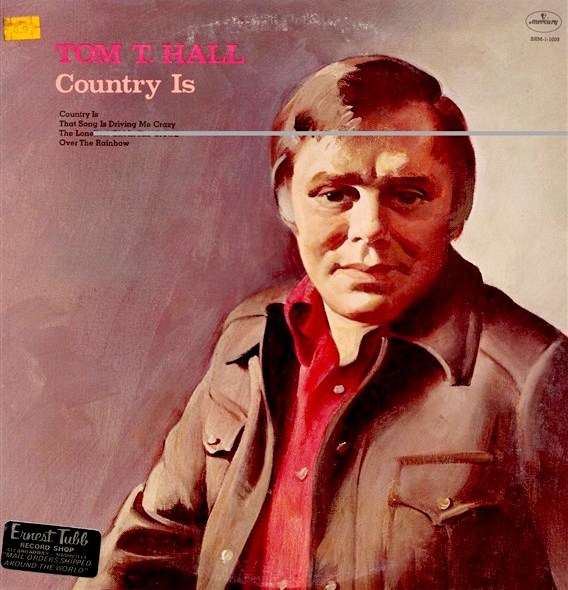
Tom T. Hall's rendition of "Over the Rainbow" transcends mere nostalgia, burrowing into the listener's primal yearning for escape and the bittersweet recognition of its impossibility. The song, a deceptively simple lullaby, becomes a potent exploration of human discontent. Hall's delivery, stripped of artifice, underscores the fundamental desire for a world free from the weight of reality – a realm where 'dreams that you dare to dream really do come true.' But it's the recurring question, 'why then oh, why can't I?' that injects the song with its melancholic power. It's not just a child's innocent wish; it's the adult's quiet lament.
The rainbow itself functions as more than just a colorful arc; it's a psychological projection screen. It represents the idealized space – 'skies are blue,' 'troubles melt like lemon drops' – a stark contrast to the often-gray realities of everyday existence. The bluebirds, symbols of happiness and freedom, further emphasize this idyllic vision. Hall isn't simply singing about wanting something better; he's dissecting the core human impulse to seek solace in imagined perfection. The imagery of waking up 'where the clouds are far behind me' speaks to a desire to leave behind not just physical hardship, but the emotional baggage that clouds our perception.
Ultimately, the song's enduring resonance lies in its unflinching honesty. Hall acknowledges the allure of escapism while simultaneously highlighting its inherent unattainability. The repeated question, 'why can't I?' isn't a naive query; it's a profound meditation on the limitations of human existence. While the 'land that I heard of once in a lullaby' may remain forever out of reach, the song compels us to confront the gap between our dreams and our realities, a space where both hope and longing reside. The song meaning, therefore, pivots on the tension between the imagined ideal and the perceived constraints of lived experience.
 View Artist