Song Meaning
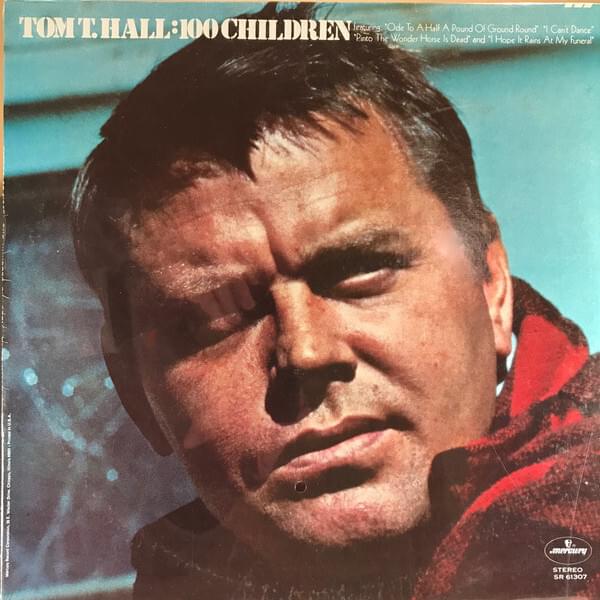
Tom T. Hall's "I Took A Memory To Lunch" isn't just a wistful country tune; it's a masterclass in melancholic brevity, a psychological portrait painted with the simplest of lyrical strokes. The song's core examines the dangerous allure of nostalgia, the way the past can seduce us with its selectively polished highlights. Hall isn't just recounting a simple lunch date; he's dissecting the human tendency to romanticize what's gone, to try and recapture lightning in a bottle, fully knowing the futility of the endeavor. The opening verses establish a deceptive innocence – a pleasant day, a chance encounter. But the hook, "I took a memory to lunch," immediately subverts this, revealing the potential for emotional turmoil lurking beneath the surface.
The brilliance of Hall's songwriting lies in his understated delivery and keen observation. He doesn't preach or moralize; he simply presents a scenario and allows the listener to connect the dots. The lyrics hint at a past relationship, rekindled briefly over coffee, only to be extinguished by the harsh light of the present. The line, "The past grows old, but never dies," perfectly encapsulates the enduring power of memory, its ability to both comfort and torment. There's a palpable sense of disappointment in the verses. The "charm that draws two hearts together" has faded, leaving behind only "two coffee cups" as a stark reminder of what once was. The “misty teardrops” are not just sentimental; they are acknowledgement of an irretrievable loss.
Ultimately, "I Took A Memory To Lunch" is a cautionary tale about the perils of living in the past. Hall suggests that while memories can be a source of comfort, they can also be a trap, preventing us from fully engaging with the present. The narrator's concluding apology, "I'm sorry that I'm late for dinner," is laden with unspoken regret. He's not just late for a meal; he's missed an opportunity to be present, to connect with his current life, all because he chose to dine with a ghost. The song's meaning resonates deeply because it speaks to a universal human experience: the bittersweet ache of longing for what once was, and the realization that some doors are best left closed.
 View Artist