Song Meaning
Tom Petty's "Feel a Whole Lot Better" isn't just a kiss-off anthem; it's a masterclass in emotional self-preservation. Stripped down to its core, the song meaning revolves around the stark realization of betrayal and the subsequent, almost defiant, embrace of a future free from its grip. The lyrics, while simple, carry the weight of a relationship built on false pretenses. Petty isn't wallowing; he's cutting ties, the repetition of "I'll probably feel a whole lot better when you're gone" acting as both a mantra and a declaration of independence. It's the sound of someone actively choosing their own well-being over the illusion of a love that never truly existed.
Beneath the surface of this seemingly straightforward narrative lies a deeper exploration of trust and deception. The lines "Baby, for a long time, you had me believe / That your love was all mine and that's the way it would be" speak to the insidious nature of manipulation. The singer acknowledges the long con, the gradual erosion of his perception, before adding "But I didn't know that you were putting me on." This isn't a sudden outburst of anger but a weary resignation, a recognition of the game being played and a refusal to participate any longer. The repetition of the phrase "when you're gone" suggests a necessary severing of ties for the singer's emotional survival.
Ultimately, "Feel a Whole Lot Better" resonates because it captures a universal experience: the arduous journey from heartbreak to healing. It's not about revenge or bitterness; it's about reclaiming one's own narrative. The repeated assertion of feeling better underscores the power of self-affirmation in the face of emotional adversity. Tom Petty, with his signature blend of vulnerability and grit, delivers a song that's both cathartic and empowering, reminding us that sometimes, the most radical act of love is loving ourselves enough to walk away.
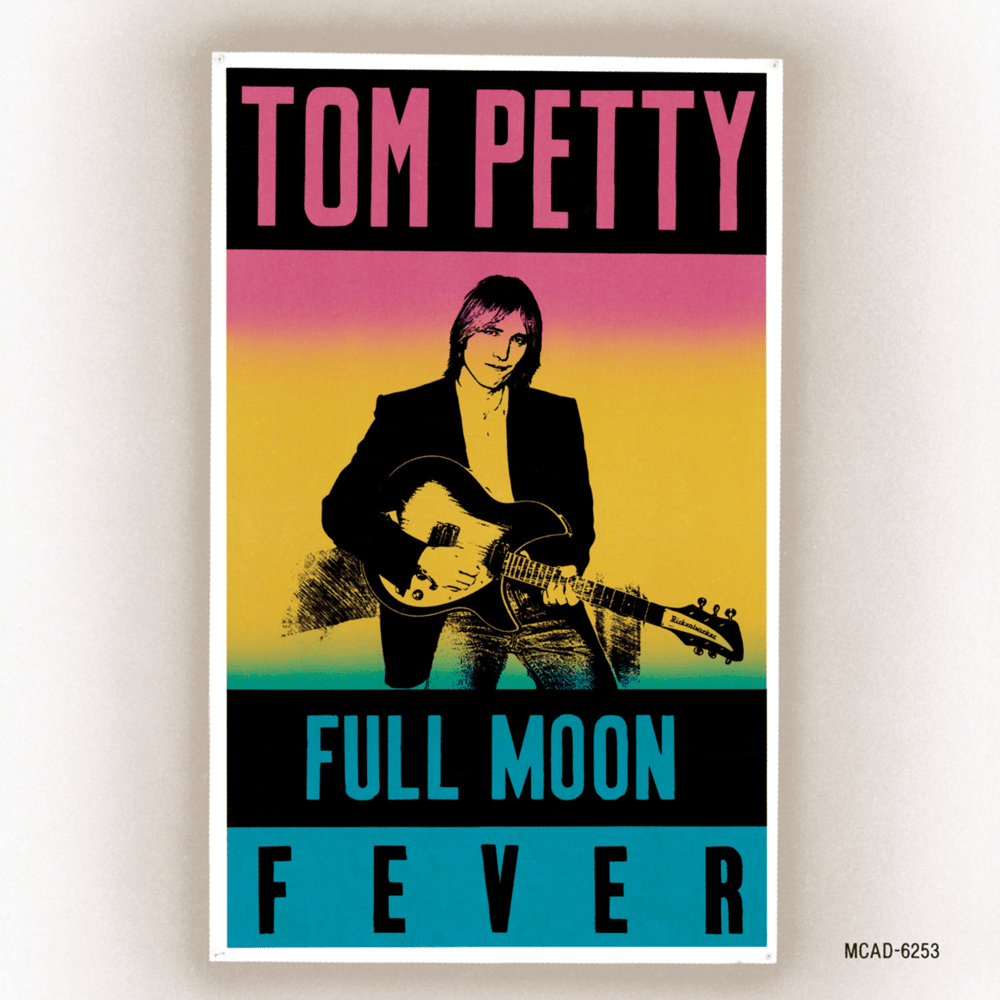
 View Artist