Song Meaning
The narrator paints a picture of a woman who is undeniably difficult, a force of nature that overwhelms her parents and even the narrator himself. Phrases like "hell on her mama" and "wore out her daddy" establish her as a challenge. Yet, there's a profound shift when he declares, "there's somethin' about her / That only I can see." This suggests a unique, intimate understanding that transcends her outward complexities, making her flaws irrelevant to his perception.
The core tension arises from the narrator's embrace of fleeting, imperfect moments over lasting commitment. He acknowledges love's inherent risk, stating, "I can't trust love / It's far too risky." Instead, he finds solace in transient pleasures, like "barefoot in the grass" and "chewin' sugarcane." The possibility that "a day like this / Don't ever come again" doesn't diminish its value; it solidifies it as a precious, self-contained experience.
The repeated refrain, "And that's good enough," acts as a mantra against the harsh realities and potential disappointments of life and love. It’s a declaration of contentment found not in perfection or permanence, but in the present, however flawed. This sentiment is amplified by his blessings for "this land" and "this whiskey," grounding his acceptance in tangible, immediate comforts. The final lines, "If she marries into money / She's still gonna miss me," reveal a lingering, perhaps ego-driven, certainty that his connection is unique, even if the relationship itself isn't destined for a traditional happy ending.
Ultimately, the lyrics resonate because they articulate a powerful, if unconventional, form of acceptance. The narrator finds peace not by seeking ideal circumstances or a flawless partner, but by recognizing the inherent value in what is, right now. This perspective offers a compelling argument for finding sufficiency in the imperfect, making the phrase "good enough" a surprisingly potent source of strength and contentment.
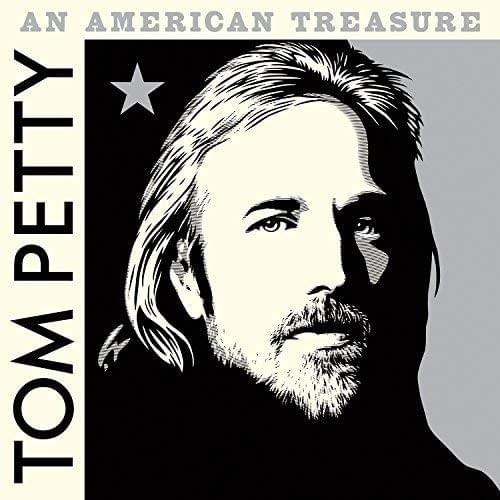
 View Artist