Song Meaning
The lyrics paint a stark picture of a life shaped by early loss and a pervasive sense of danger, beginning with a chilling paternal warning: "Son, you'd better get a gun." This sets a tone of inherited caution, suggesting that violence is not just a possibility but a necessity for survival in the narrator's world. The opening lines anchor the speaker in a specific time and place, "born in Chicago, nineteen and forty-one," immediately grounding the narrative in a historical context that feels heavy with unspoken implications.
The central tension arises from the narrator's repeated experience of losing friends at increasingly younger ages. The first friend "went down" at seventeen, prompting a grim acceptance: "He gotta go." By twenty-one, another friend is lost, and the reaction shifts from resignation to a desperate plea: "He gotta pray." This progression highlights a growing despair and a realization that action, or perhaps divine intervention, is needed as the narrator's social circle dwindles.
The most striking element is the stark contrast between the narrator's personal devastation and the abstract concept of "rules." The lyrics question the validity of rules when the game itself is disappearing: "rules are alright / If there's someone left to play the game." This sentiment is amplified by the devastating conclusion that "All my friends are going / And everything just don't seem the same." The simple, repeated declaration of loss underscores the profound impact of these deaths on the narrator's perception of reality and social order.
This raw, unvarnished account of loss and disillusionment hits hard because it avoids sentimentality. The direct, almost reportorial style of recounting the deaths, coupled with the shift in the required response from "go" to "pray," effectively conveys a life under constant threat and the erosion of hope. The final lines leave the listener with a profound sense of isolation, where the familiar world has irrevocably changed due to the absence of loved ones.
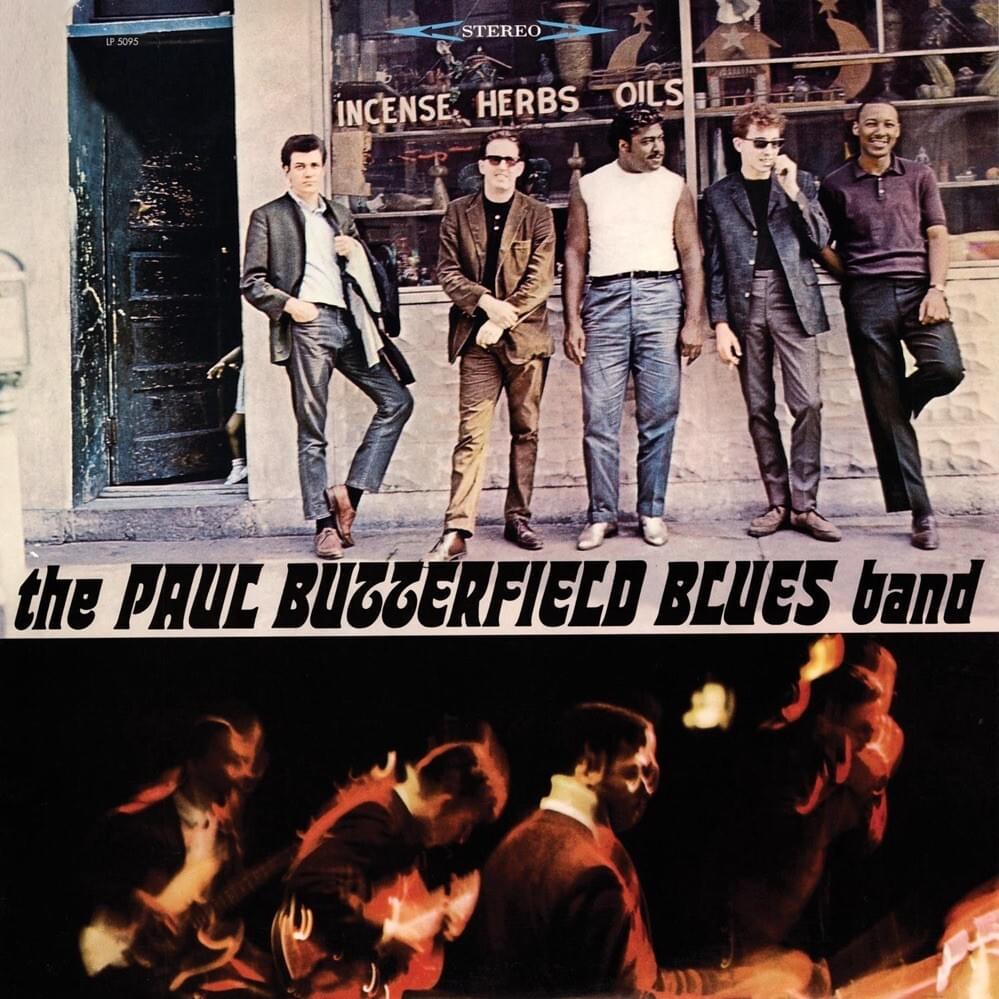
 View Artist