Song Meaning
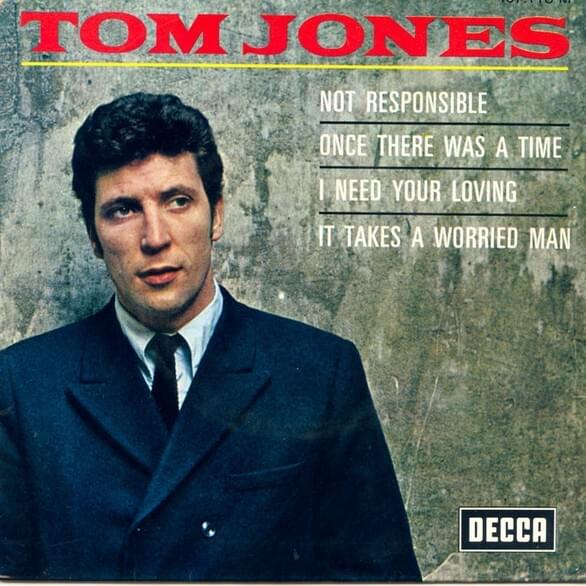
Tom Jones, the voice of a generation, delivers a stark lesson in heartbreak and self-preservation with "Once There Was a Time." This isn't the swaggering, chest-out bravado of "It's Not Unusual;" instead, it's a masterclass in wounded pride, a man surveying the wreckage of a love lost and refusing to repeat past mistakes. The song meaning centers on the cyclical nature of relationships and the hard-won wisdom that comes from being burned. The opening lines paint a picture of idyllic love, a time when the world felt "fine." This tranquility is shattered by the arrival of another, who, with a metaphorical "snap" of his fingers, steals the narrator's beloved away.
The core of the song resides in the narrator's passive observation of his own heartbreak. He "had to watch something / I prayed I'd never see," highlighting a sense of helplessness and the acute pain of witnessing a loved one's departure. But this isn't just a lament; it's a prelude to a transformation. The bitterness of the tears gives way to a hard-earned smile, signaling a shift from victimhood to resilience. The song's brilliance lies in its anticipation of the woman's return. The narrator predicts her abandonment (“He’s left you / Like I said he’d do”), suggesting a deep understanding of the other man's character and the woman's naiveté.
The final verse is the ultimate act of self-preservation. While a younger, more vulnerable version of himself might have welcomed her back with open arms, the narrator now possesses the clarity to recognize the potential for repeated pain. "I've learned my lesson / There won't be / Another time for me..." he declares, a statement that resonates with the weary wisdom of experience. "Once There Was a Time" is not just a song about lost love; it's a testament to the power of self-respect and the refusal to be a placeholder in someone else's life. It's a poignant reminder that sometimes, the greatest act of love is loving yourself enough to walk away.
 View Artist