Song Meaning
Tom Jones's rendition of "If I Ruled the World" isn't just a wistful daydream; it's a carefully constructed fantasy of idealized governance, filtered through the lens of mid-20th-century optimism. The lyrics present a world scrubbed clean of conflict and despair, where perpetual springtime mirrors a perpetual emotional bloom. This isn't a complex political manifesto, of course, but a profoundly human yearning for a simpler, kinder existence. The recurring motif of universal joy and freedom ("Every man would be as free as a bird") speaks to a deep-seated desire for liberation from the constraints and anxieties of everyday life. The song's appeal lies in its accessibility. It avoids specific policy prescriptions, instead focusing on broad emotional states – happiness, friendship, and the absence of conflict.
The song's power resides in its utopian vision, painting a picture of society where individual well-being is prioritized. Phrases like "Every heart would have a new song to sing" and "sunshine in everyone's sky" suggest a world where creativity and personal fulfillment are not luxuries, but fundamental rights. The lyrics imply a world free from oppression and inequality, hinting at a social consciousness that values every voice and treasures every day. This longing for universal harmony taps into a deep human desire for connection and belonging.
Yet, beneath the surface of this idyllic vision lies a subtle melancholy. The very premise – "If I ruled the world" – acknowledges the impossibility of such a scenario. It's a conditional statement, a wishful projection rather than a statement of intent. The song's enduring appeal stems from this bittersweet quality. It offers a comforting escape, a momentary glimpse of a world where everything is right, while simultaneously reminding us of the distance between that ideal and our current reality. It's a powerful expression of hope, tempered by a realistic understanding of human nature and the complexities of the world.
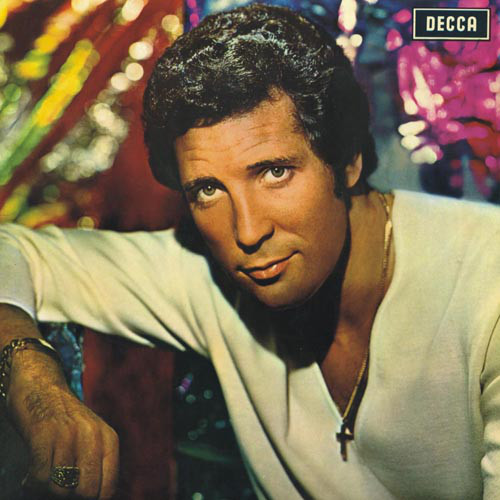
 View Artist