Song Meaning
The lyrics to "Oğul" plunge listeners into a parent's raw, agonizing grief. We witness the devastating act of burying a son, described with visceral imagery like "bloody tears" turning into a spring. The speaker's emotional state is a paradox, claiming to have "revived, I died" atop the coffin. This immediate scene sets a tone of profound sorrow and unbearable loss.
At its core, the piece grapples with the brutal injustice of a young life cut short. The parent laments not having "enough of your voice, your sapling height," highlighting the son's youth and the unfulfilled potential. This deep personal sorrow is inextricably linked to a burning rage, as the speaker directly confronts the "work of the oppressor," demanding accountability for the tragedy.
A particularly striking element of the craft is the escalating, repeated curse: "May the hands that shot you be broken," then "hanged you," and finally "burned you." This progression of violent acts, though perhaps metaphorical, underscores the horrific nature of the son's death and the parent's desperate plea for vengeance. The contrast between the "thick rope" and the son's "slender neck" further amplifies the brutality, while the tender image of him falling "like a rose into the earth's bosom" emphasizes his innocence.
Ultimately, these lyrics are effective because they offer an unflinching portrayal of grief's multifaceted nature. They capture the overwhelming despair of irreversible loss, the physical ache of separation, and the fierce, protective anger that lashes out at those responsible. The direct address to the deceased son and the perpetrators creates an intimate, yet universally resonant, expression of a parent's worst nightmare.
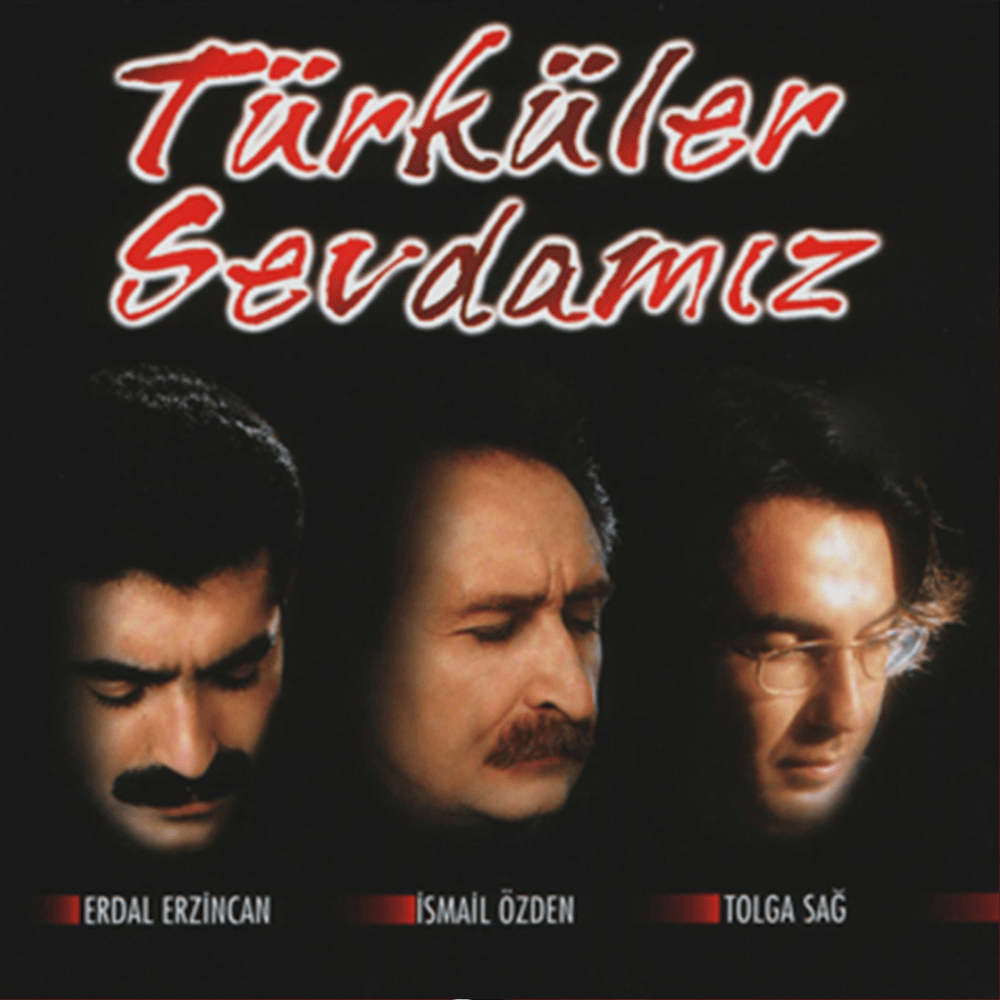
 View Artist