Song Meaning
Toby Lightman's "Sumiço" isn't just a song; it's a stark, almost primal scream echoing from the depths of personal torment. The title itself, meaning 'disappearance' in Portuguese, hints at the core theme: a desperate attempt to shed an unbearable burden, a self that has become synonymous with sin and regret. The opening lines paint a picture of ritualistic cleansing gone awry. The river, a classic symbol of purification, fails to provide the promised relief. Lightman's protagonist casts "sin and the devil within" into the waters, yet the gesture proves futile, leaving her mired in the same despair. It's a powerful indictment of hollow gestures and the limitations of external solutions for internal struggles.
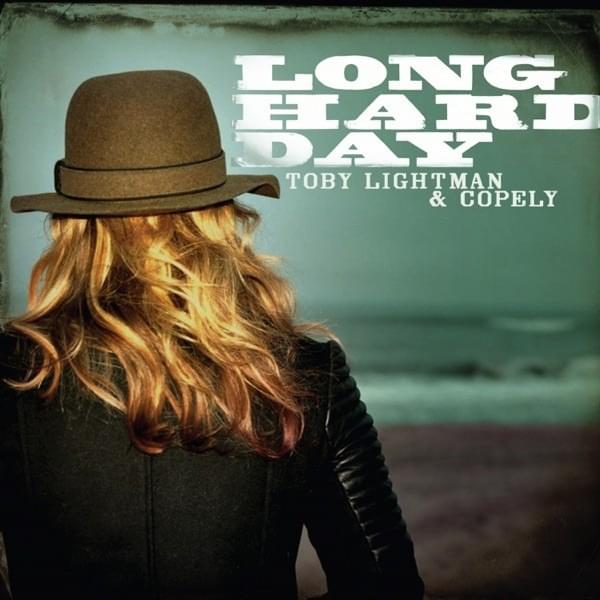
The song meaning intensifies as the narrative descends further into darkness. The imagery shifts to the bottom of the barrel and the edge of a grave, suggesting a descent into the lowest depths of despair. The loaded gun is a stark manifestation of suicidal ideation, born from the weight of past actions. The repeated refrain, "It's been a long hard day," transcends a simple statement of fatigue; it becomes a mantra of suffering, each repetition layering on the sense of exhaustion and hopelessness. This isn't just about a bad day; it's about a lifetime of accumulated pain reaching a critical mass.
The final verses of "Sumiço" offer a chilling sense of resignation. The lines "There ain't no ripple in the water / There ain't no blood in the sand / There ain't no moves in the games I play" suggest a complete emotional and spiritual shutdown. The absence of ripples and blood implies a lack of impact, a sense that even drastic actions are ultimately meaningless. The futility extends to all aspects of life, with "no moves in the games I play" indicating a paralysis of will and a surrender to fate. Ultimately, Toby Lightman's song is a raw and unflinching exploration of the human capacity for self-destruction, and the agonizing search for redemption in a world that often offers none.
 View Artist